




















Between busy days, overstimulating environments, and the ever-present pull of screens, helping children wind down at night can feel harder than ever. Sleep isn’t just a biological need - it’s a pillar of emotional regulation, learning, and healthy development. Yet many little ones struggle to slow their minds, settle their bodies, and drift off peacefully.
The good news? Creating healthier sleep habits doesn’t require perfection - just small, consistent choices that support calm, connection, and predictable rhythms. Here’s what the research (and parents everywhere) tell us about how to make bedtime smoother and more restorative for little ones.
Why Screen-Free Time Matters Before Bed

We all know screens before bed aren’t ideal, but the why is often overlooked.
1. Blue light impacts melatonin production.
Melatonin is the hormone that tells the body it’s time to sleep. Blue light from TVs, tablets, and phones can delay this process, making it harder for children to fall asleep naturally.
2. Screens overstimulate the brain.
Even “calm” content is still highly sensory - bright colours, quick cuts, constant audio. This keeps the brain in an alert state when it should be winding down.
3. Screen habits become sleep associations.
If children rely on videos or apps to fall asleep, they may struggle to self-soothe without them. A screen-free wind-down period - even just 30–45 minutes - helps the brain shift into a slower, quieter rhythm.
The Power of Predictable Sleep Routines

Children thrive on signals and cues that help them transition from day to night. A consistent bedtime routine creates:
• a sense of safety
• predictable expectations
• reduced bedtime resistance
• smoother emotional regulation
A calming routine might look like:
1. Warm bath
2. Soft pyjamas
3. Dim lights
4. Story time or calming audio
5. Quiet cuddles
6. Bedtime

It's less about perfection and more about rhythm - even the simplest routine can become a deeply powerful cue for rest.
White Noise, Nature Sounds & Guided Calm: Why They Work
Many parents are surprised to learn how much soothing audio can support sleep. Here’s why gentle sound can be so effective:
1. It creates a consistent auditory environment
Sudden noises (a barking dog, a door closing) are less likely to wake a child when white noise or soft nature sounds are present.
2. It mimics the womb
Babies are comforted by rhythmic, gentle noise - it feels familiar and safe.
3. It supports mindfulness
For older children, calming music or guided breathing helps quiet mental chatter and reduce bedtime anxiety.
4. It promotes relaxation
Slow-paced soundscapes naturally lower the heart rate and activate the parasympathetic nervous system - the body’s “rest and restore” mode.
Introducing Calm the Screen-Free Way

There are many ways to help little ones settle without relying on screens:
reading a short bedtime story
• soft humming or lullabies
• gentle breathing exercises
• mindfulness or imagination journeys
• listening to nature soundscapes
• soothing audio stories
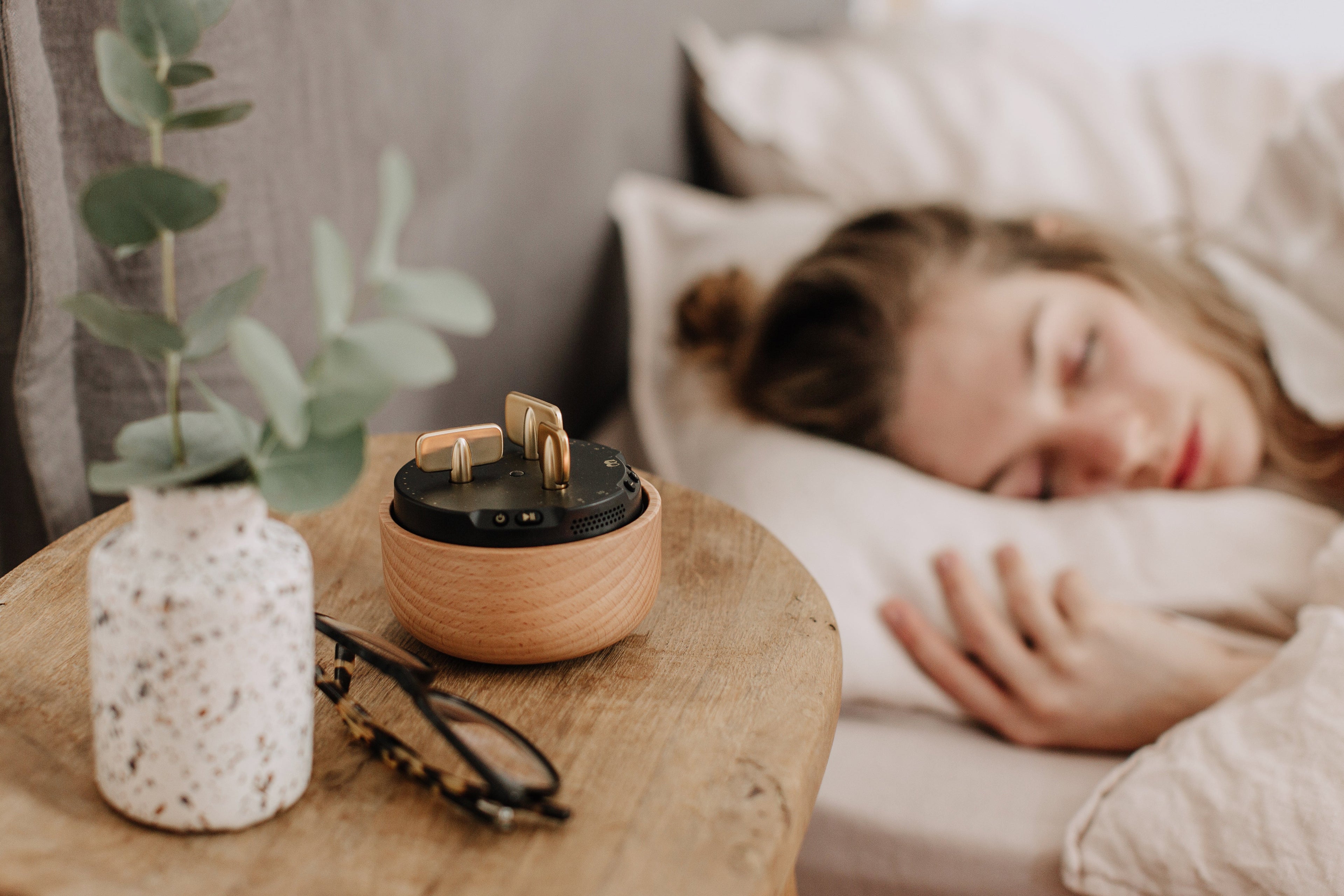
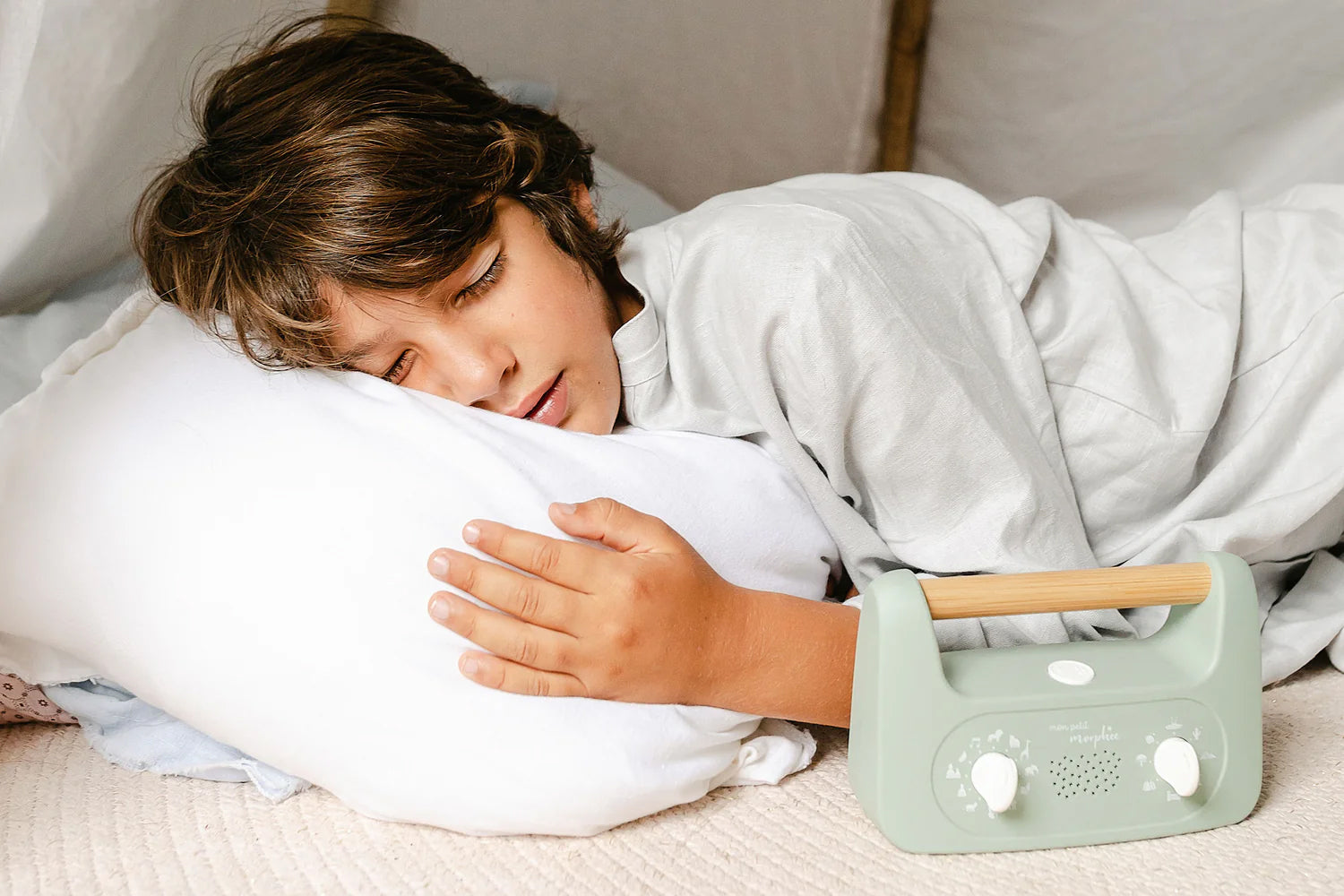
Tools like the My Little Morphée fit beautifully into this approach because they’re intentionally designed to be screen-free, simple, and calming - but they remain just one option among many.

Parents love it for its:
• screen-free operation
• simple controls kids can use independently
• calming stories, soundscapes, and guided relaxation
• portability for bedtime and travel
• ability to help overstimulated little minds settle
It’s become a favourite in many homes not because it replaces connection - but because it supports it. Children feel empowered, involved in their own bedtime process, and gently guided into rest.
"We've been falling asleep to the My Little Morphée radio every night since we got it, drifting off to the soothing rhythms of slow island beats, lake melodies, and space orchestra sounds. I love how it calms everyone down - including me! Two songs and they're out!" -- Parent Panel Review by Emma Jane Harbour
Connection: The Most Powerful Sleep Cue of All

No tool or routine can replace the most important bedtime ingredient: you.
A few minutes of quiet connection - cuddles, chatting about the day, reading together - helps children feel grounded, release stress, build emotional security and transition from active play to restful calm. When kids feel safe, their bodies can finally relax.
Creating a Calm Bedtime Culture at Home
Every family is different, but here are gentle approaches that work across ages:
• Keep bedtime regular (even on weekends)
• Dim lights 30 minutes before bed
• Avoid screens in the last hour
• Use soothing sounds or calm stories
• Slow the pace - walk, talk, and move gently
• Create a predictable pattern they can rely on
• Keep the environment comfortable and cozy
These small, consistent habits have a cumulative effect - and over time, they help build sleep skills that support growing minds and bodies. Good sleep doesn’t just happen - it’s nurtured. When we give children calming tools, predictable rhythms, screen-free moments, and loving connection, we set the stage for deeper, more restorative rest.

At Sprout, we’re committed to supporting families with resources and thoughtfully designed products from all over the world that make bedtime calmer, kinder, and more connected - one peaceful night at a time.
My Little Morphée is developed in collaboration with leading designers and sleep professionals (sophrologists, doctors, and sleep centers) in France, with over 2000 verified reviews (4.8/5).


