












The beauty of lived-in, loved-in spaces
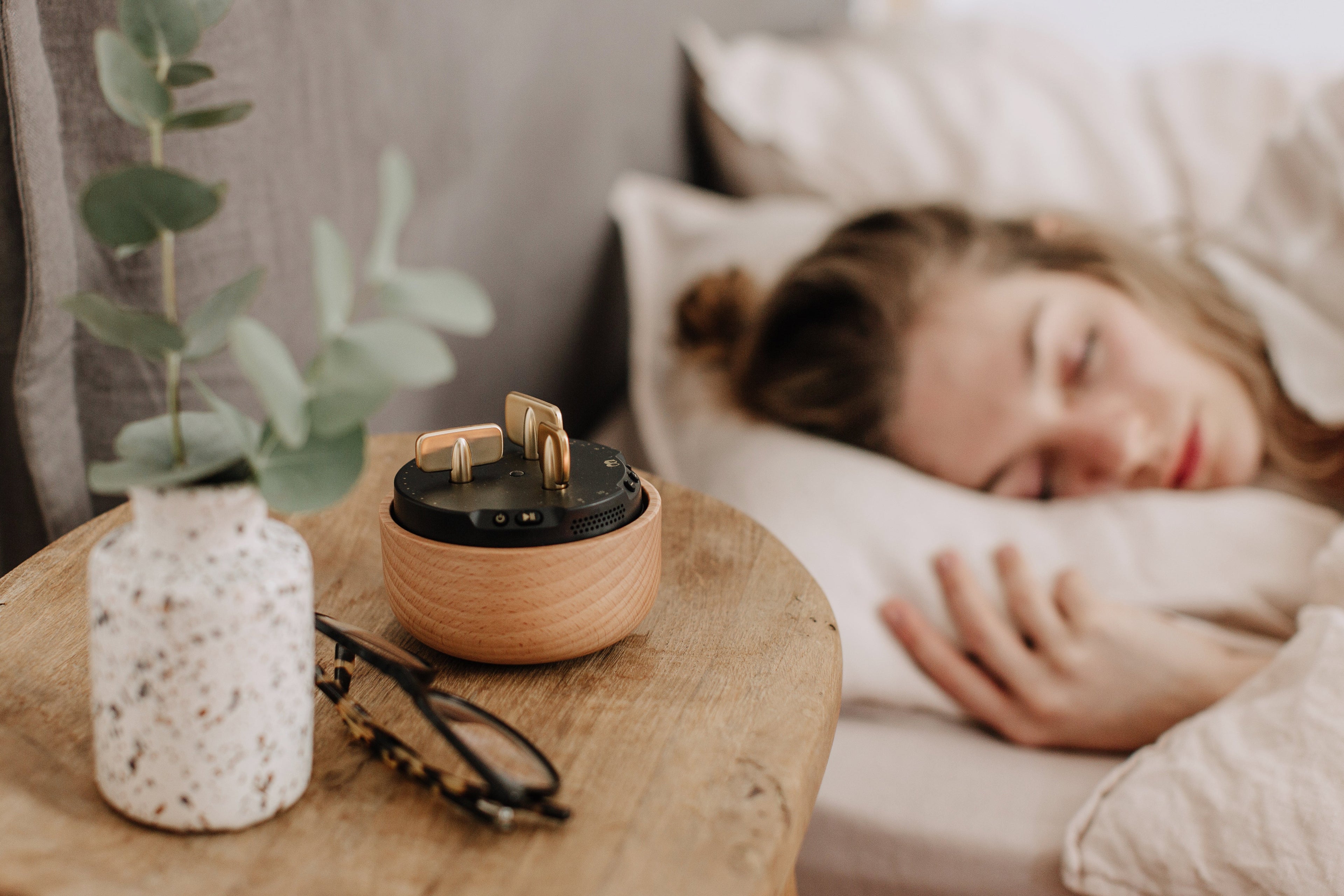
A house becomes a home slowly. It’s not created all at once through perfectly styled rooms or carefully curated shelves. Instead, it forms through everyday moments - the quiet routines, the small rituals, and the life unfolding inside its walls.
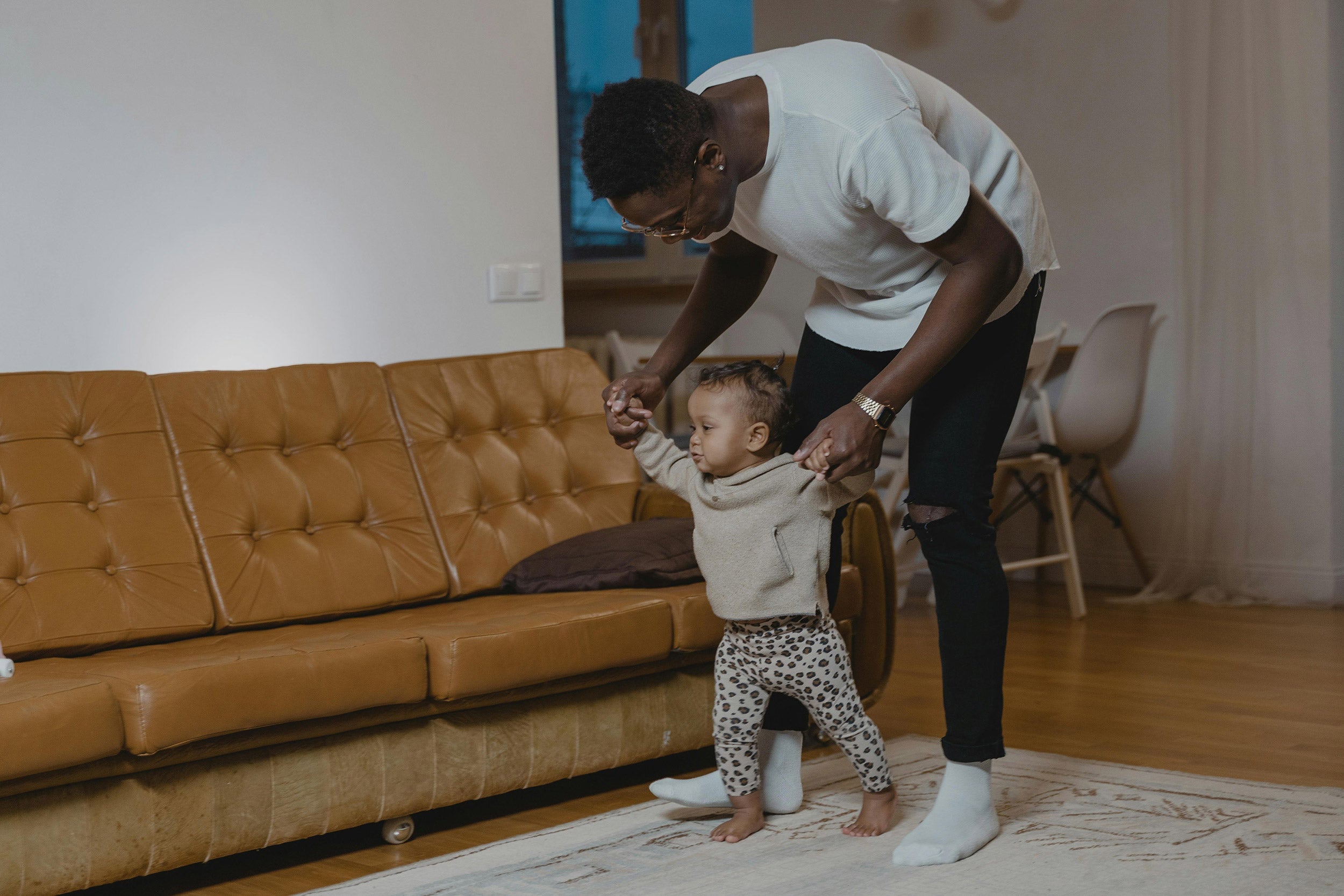
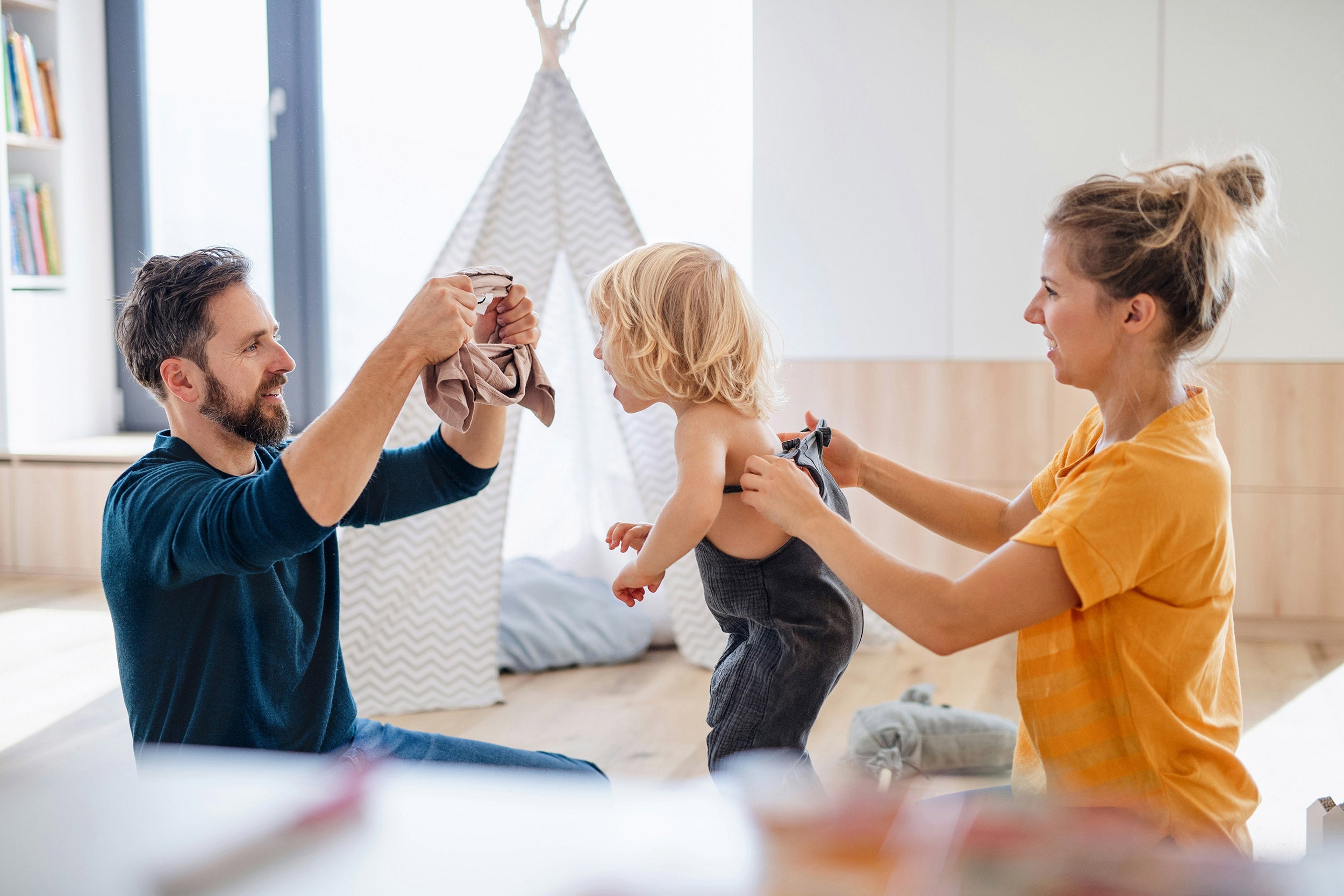
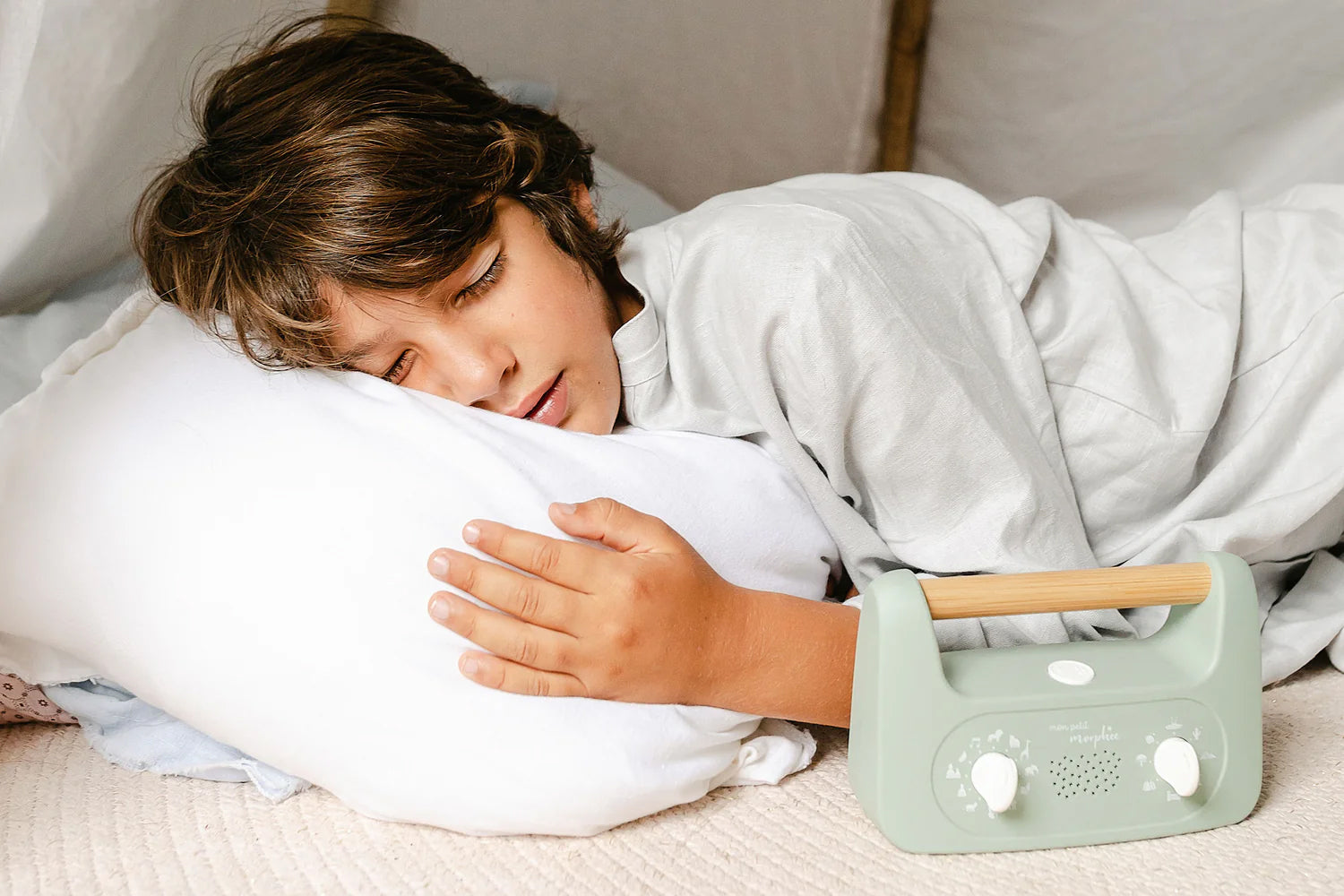
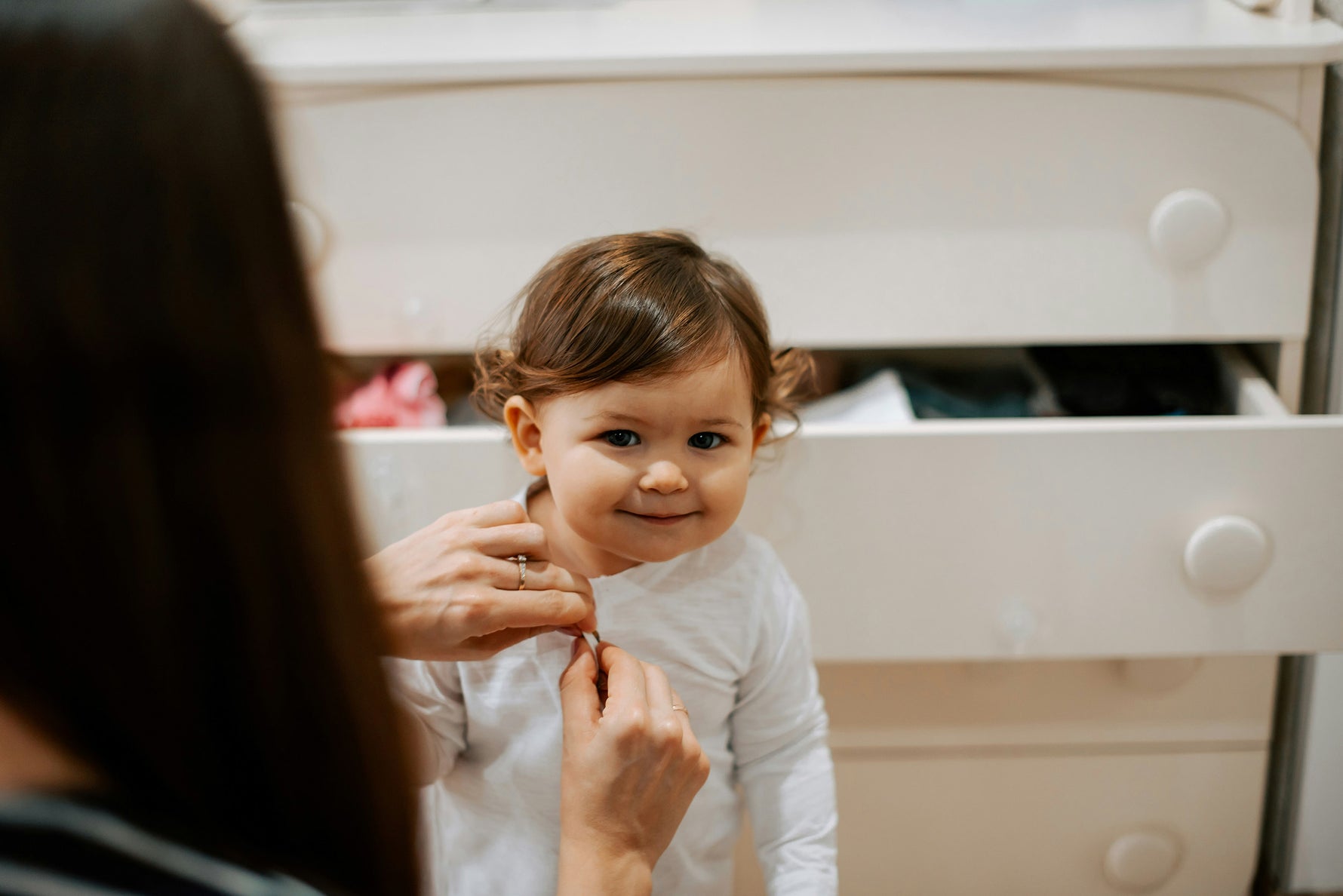
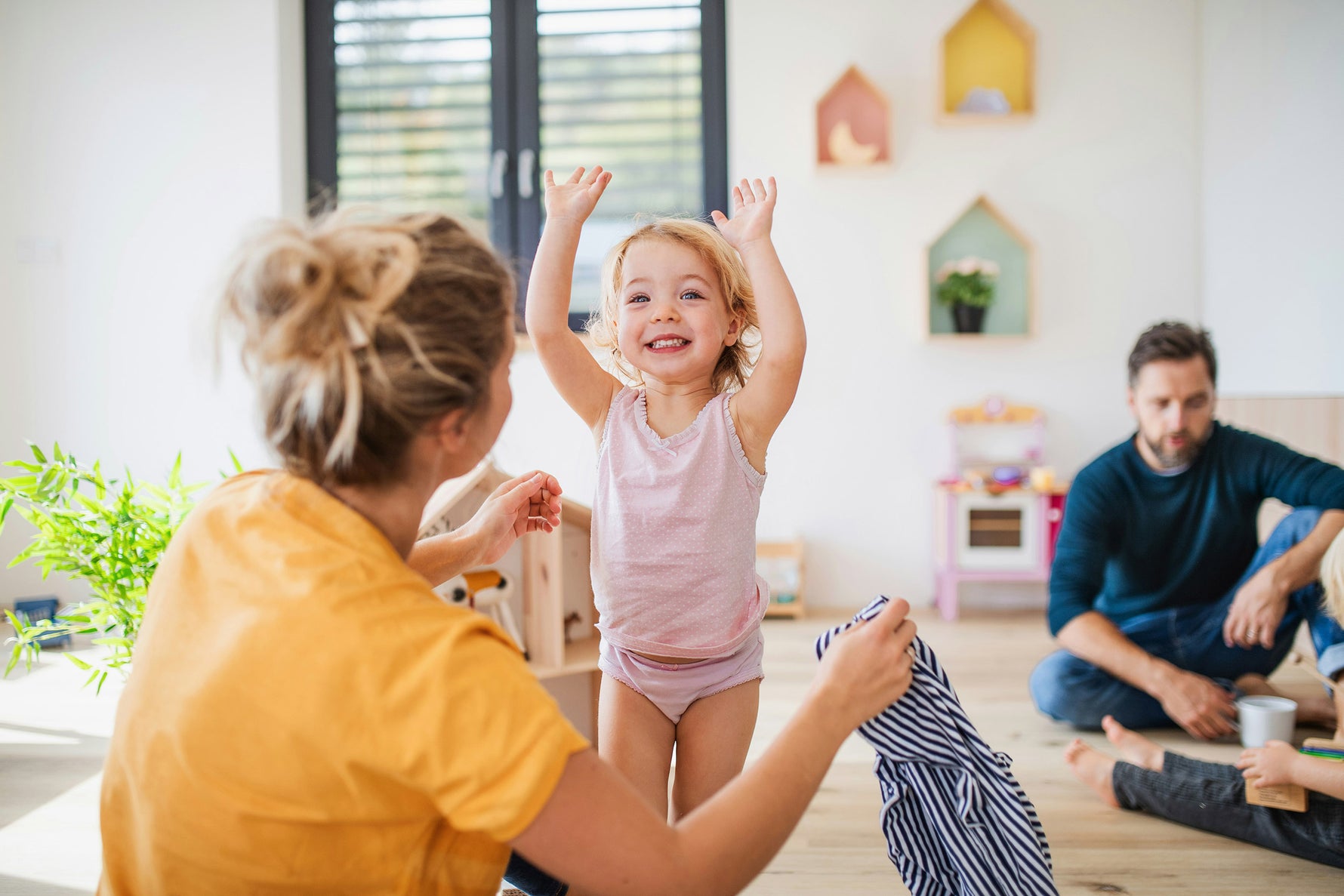
Especially for growing families, a home is rarely perfect. Toys scatter across the floor, blankets gather on sofas, and rooms evolve as children grow. But these signs of life are often what give a home its warmth.
A lived-in home is not messy or unfinished - it’s simply a space where real life is happening.

The Meaning of a Lived-In Home
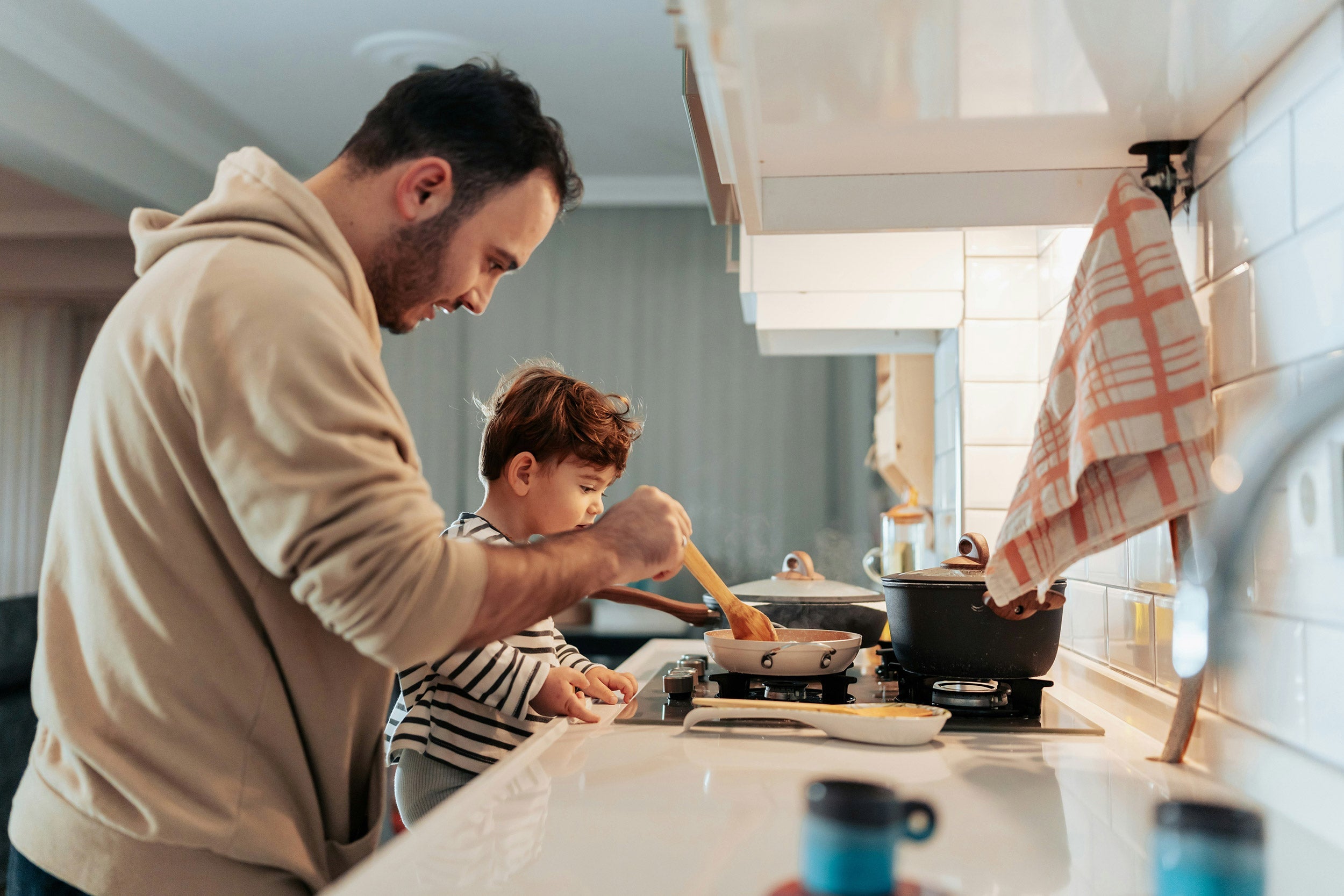
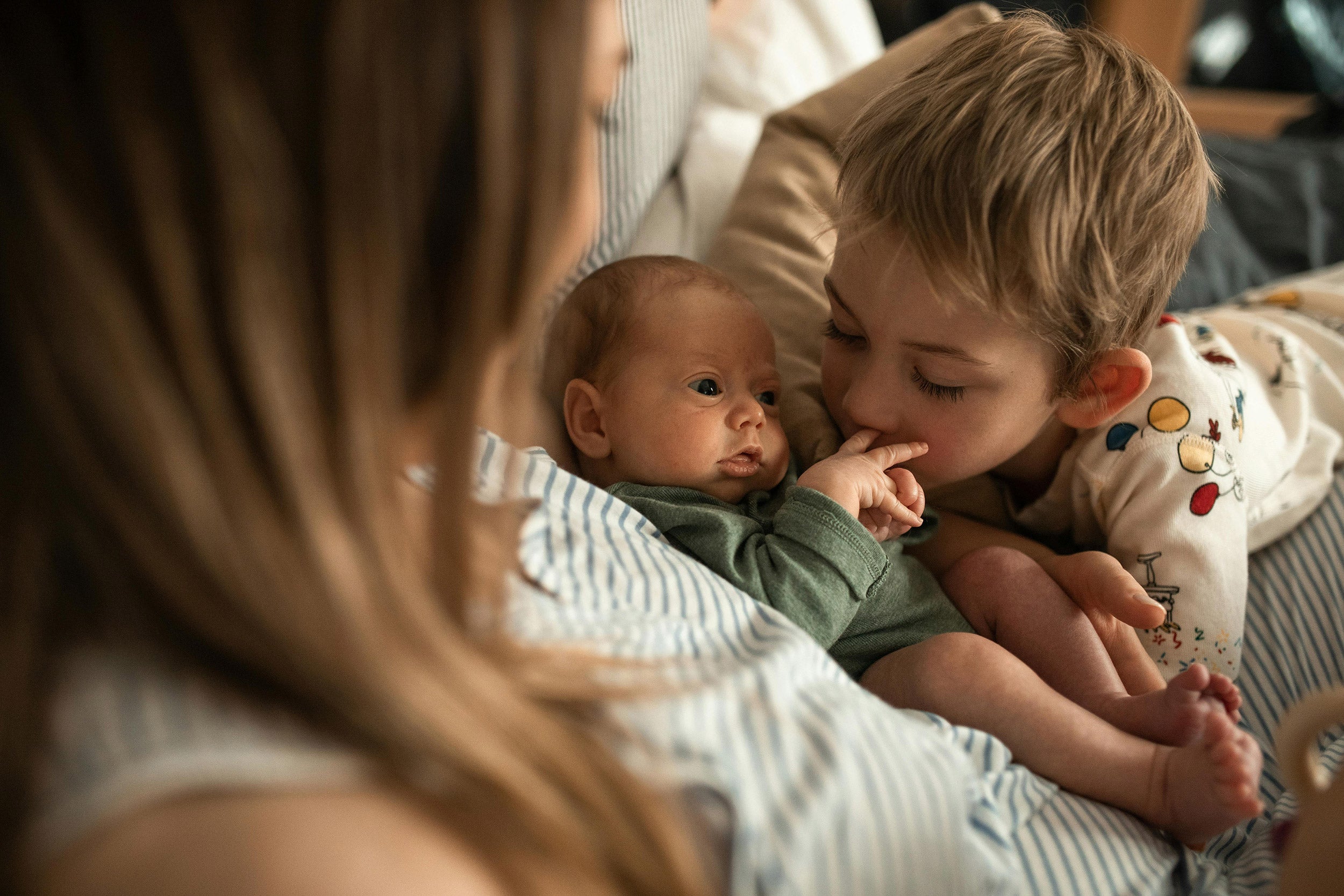
A lived-in home reflects the people who move through it every day. It holds traces of your routines and rhythms: morning coffees in the kitchen, bedtime stories on the couch, slow weekends where everyone gathers in the same room.
These spaces may not always look polished, but they carry something more important - comfort, familiarity, and belonging.
Interior designer Emily Henderson often speaks about the idea that the most beautiful homes are those that feel personal and welcoming, rather than overly styled.
In other words, a home should work for your life - not the other way around.

Designing for Real Life
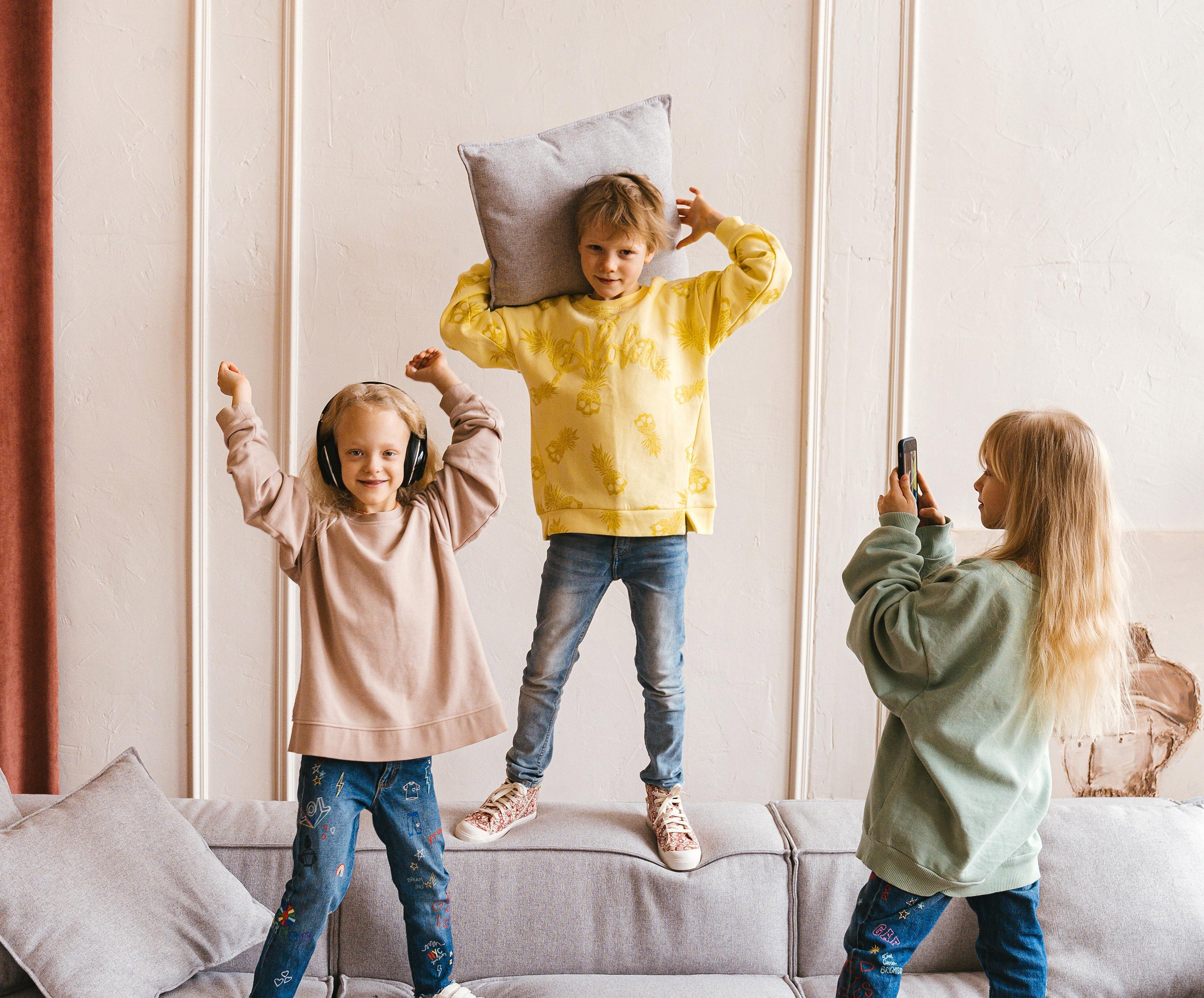
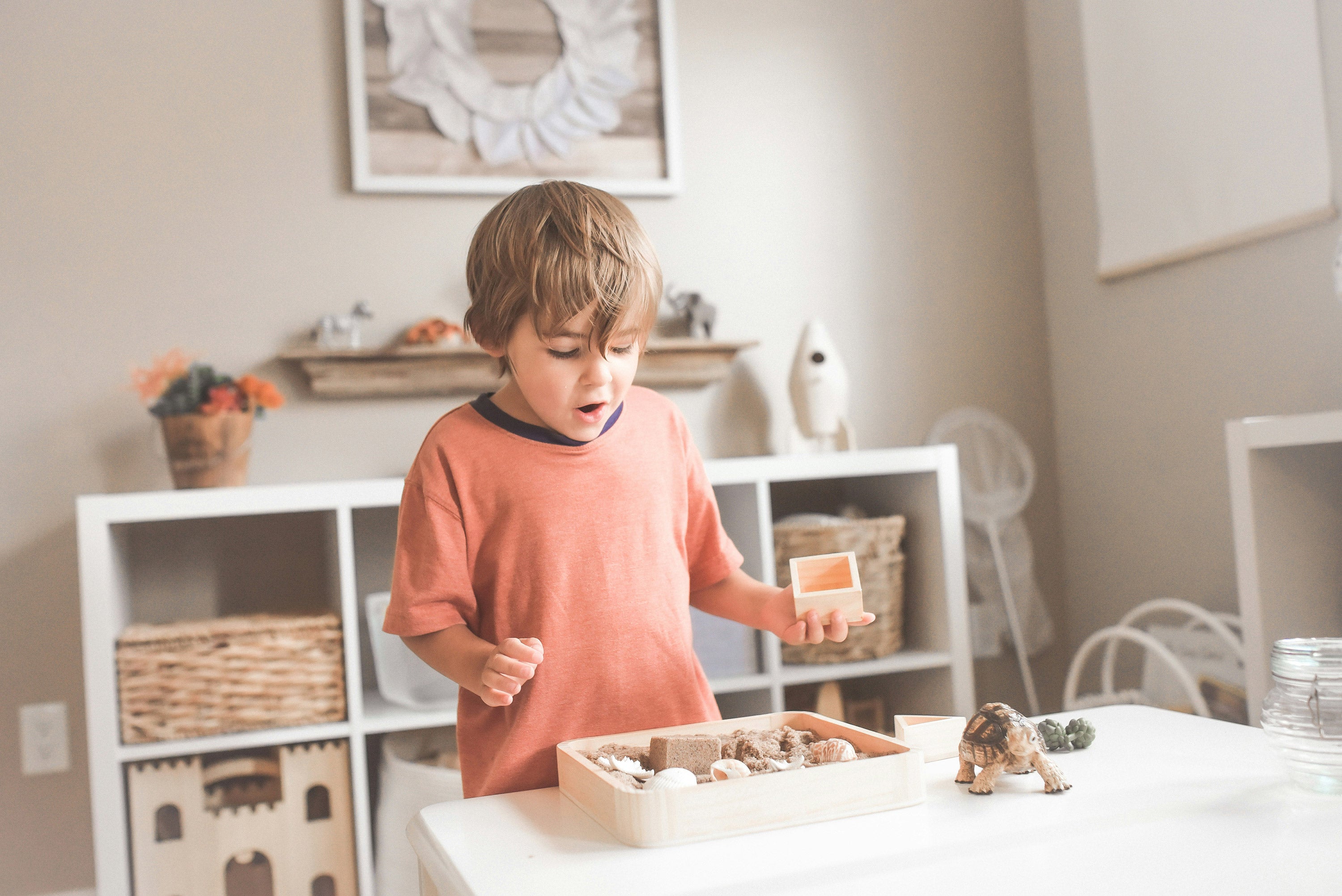
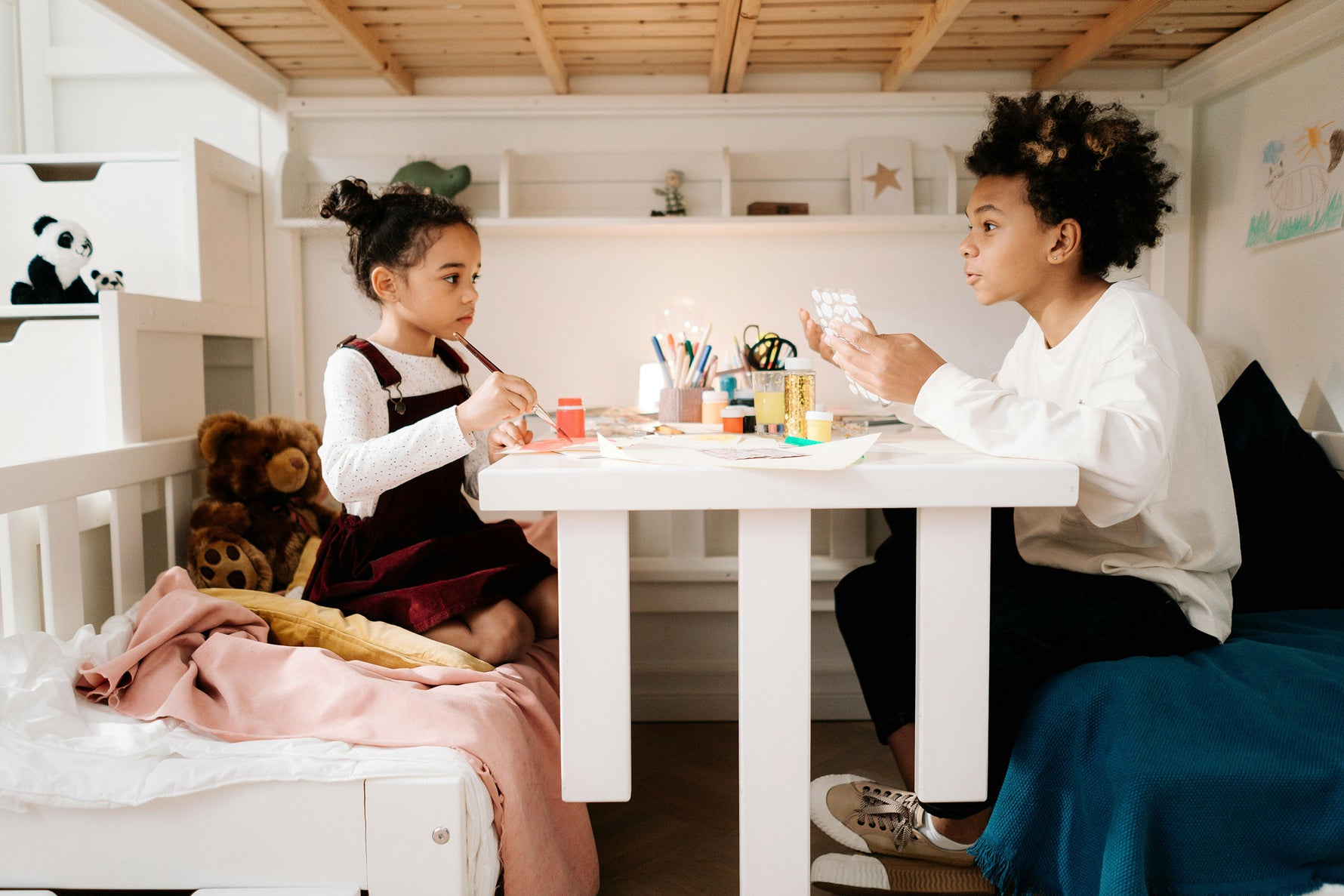
When children are part of the home, spaces naturally shift and adapt. Rooms that once felt quiet may become play areas, feeding spaces, or cosy corners for cuddles.
Instead of resisting these changes, many families begin to design their homes around them.
This can look like:
• Baskets for toys that can easily be tidied away
• Comfortable seating for feeding or story time
• Soft lighting for calm evenings
• Blankets and cushions that invite people to stay a little longer
Small adjustments can make a home feel both functional and welcoming.

The Power of Small Rituals
Often, what truly makes a house feel like home are the rituals that happen inside it.
These might be simple moments like:
• Lighting a candle in the evening
• Reading together before bed
• Gathering around the table for slow meals
• Sharing quiet mornings before the day begins
These rhythms create familiarity, which is something children - and adults - deeply rely on. Over time, these moments become the emotional structure of a home.

Letting Go of Perfection
In a world where beautifully styled homes often dominate our screens, it can be easy to feel pressure to make every corner look picture-perfect.
But real homes are meant to change.
Author and lifestyle expert Joanna Gaines often reminds homeowners that spaces should reflect the lives lived within them - not just how they appear in photographs.
Scratches on a table, toys tucked into corners, drawings taped to the fridge - these are all signs of a home being used and loved.
And that is something worth embracing.

Creating a Home That Grows With You
A home is not static. It grows and evolves alongside the people inside it.
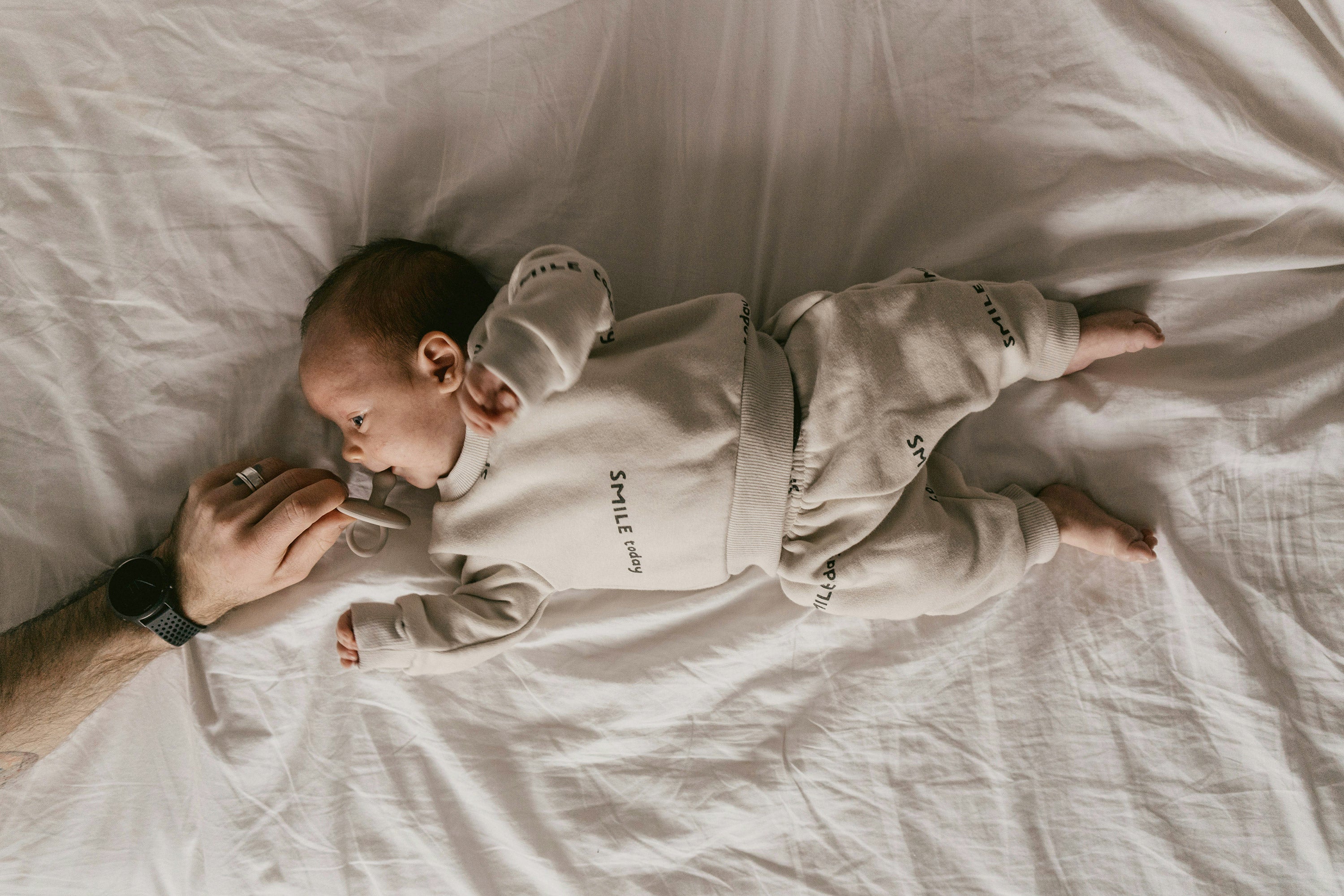
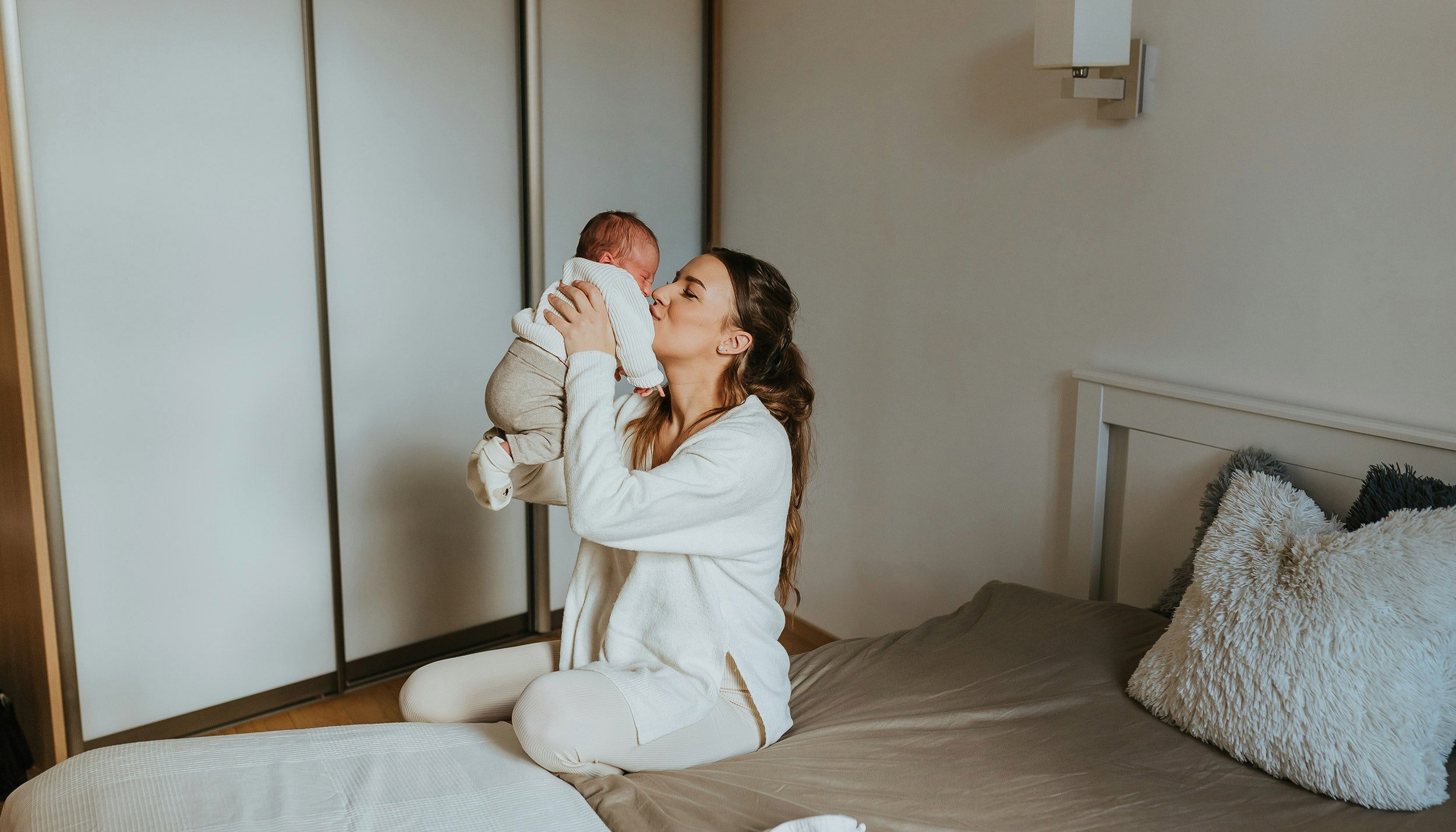
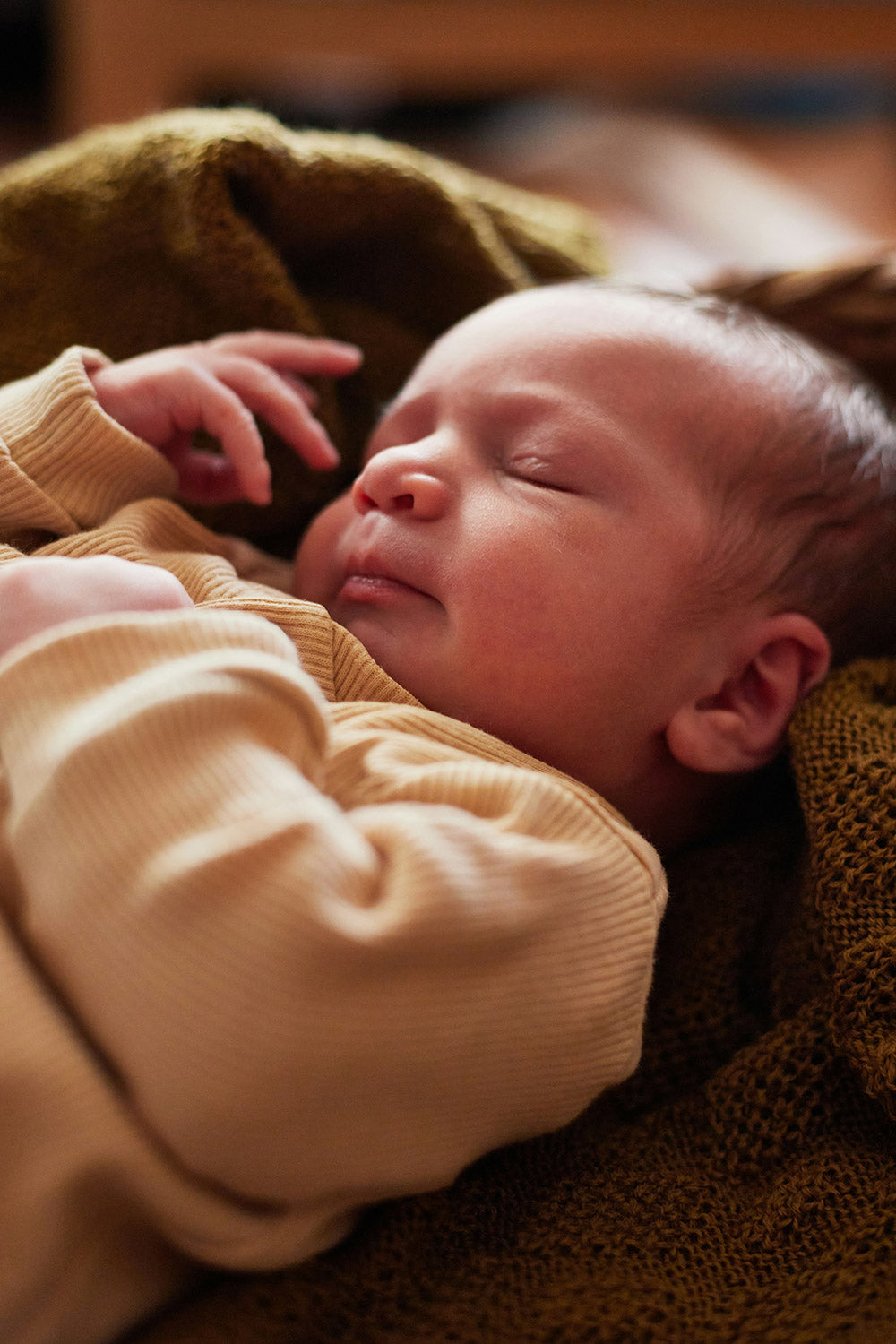
For parents, this often means allowing spaces to change as family life unfolds. What begins as a quiet nursery may one day become a playroom, a homework space, or a place for late-night conversations.
Each stage adds another layer to the story of the home. The beauty of a lived-in space is that it carries these stories with it.

Lived In, Loved In
The homes we remember most are rarely the ones that looked perfect. They’re the ones that felt warm, welcoming and full of life.
Homes where people gathered.
Homes where children felt safe.
Homes where everyday moments were shared.
Because ultimately, making a house a home isn’t about decoration. It’s about creating a place where life is lived,


