
















Parenting doesn't come with a manual — so real stories help

Stories

Mom Talk - Nicolle Grosskopf

Stories

Mom Talk - Nicolle Grosskopf

by Lyal Seba on Nov 14 2024
With World Prematurity Day coming up on Sunday, we chatted with Nicolle Grosskopf, owner of NESTLING—a brand dedicated to supporting premature babies and their families. From NICU challenges to redefining “preemie-friendly” products, she’s on a mission to ensure that every preemie mom feels seen, supported, and empowered. Join us as we explore her heartfelt story and celebrate the resilience of preemie families everywhere. Tell us a bit about yourself and your family.   I'm a mother of two boys with a BEd in Foundation Phase teaching, though I’m not currently teaching. I solo-parent frequently as my husband works abroad. I have a deep passion for children, teaching, and learning, which I bring into my work and life as a mom. I love the outdoors and spending time with my family, which brings balance and joy to my journey. My experiences as a mother, including a challenging pregnancy and a NICU stay with my first child, have greatly shaped who I am and how I connect with other moms through my business, NESTLING.   What inspired you to start a range specifically for premature babies, and how did your own experience as a mom of a preemie influence this decision? The idea for NESTLING came from my own experience as a preemie mom. When I had my first child prematurely, I faced challenges I hadn't anticipated, from finding the right products to understanding his specific needs. I wanted to create a space that offered beautiful, practical products for mothers like me. NESTLING is my way of supporting preemie moms with locally sourced and handmade items designed for the comfort and well-being of both mother and baby.   Can you share some of the biggest challenges you faced as a mom of a premature baby, and how did those experiences shape the products you offer?   One of the biggest challenges was being prepared for the unexpected. Between the NICU stay, learning to care for a tiny baby, and adjusting to a new reality, I often felt isolated and overwhelmed. This experience influenced the products I chose to include in my product offering, including practical feeding tools and sensory items that ease a preemie's transition. Every product is designed to support the unique needs of preemie mothers and babies.   What are some common misconceptions about caring for premature babies that you'd like to address, especially from your perspective as both a mom and a business owner in this space?   A common misconception is that preemies are simply "smaller newborns," when in fact they often face unique developmental and health challenges requiring specialised care and tools. Many companies label products as "prem" or "preemie-friendly" without truly understanding preemies' specific needs, often overlooking essential design elements for their comfort and development. I ensure our products are carefully selected or crafted to genuinely support preemies' developmental needs. There's also the assumption that life returns to normal after the NICU, which isn’t true. I aim to raise awareness about preemies' unique needs and offer products that address these challenges.   What advice would you give to new moms who are navigating the journey of having a premature baby, and how can they best find the support they need?   My advice is to take it one day at a time and be gentle with yourself. It’s okay to feel overwhelmed and to ask for help. Connect with other preemie moms through online communities or local support groups; having that support can make a big difference. My platform is here as both a resource and a support system for moms looking for products tailored to their unique journey.   What does World Prematurity Day mean to you personally?   World Prematurity Day is deeply personal for me, as it honours the journey my family and I experienced with premature birth. It brings back memories of our own challenges, from an unexpected early delivery to the long NICU days. This day highlights the resilience of preemie parents, the strength of these tiny fighters, and the incredible work of healthcare professionals who support us. For me, it’s a day to advocate for awareness, share support with other families, and celebrate the milestones of all babies who begin life so bravely. Every year, Nicolle donates care packs to NICU wards in support of World Prematurity Day. Sprout has contributed Difrax Pinky Pacifiers and 1-2-3 XS teats to these care packs, and we commend Nicolle for the incredible work she does. For more preemie tips, advice and product information, following Nicolle's page here.  
From Spouts to Straws: Choosing the Right Sippy Cup for Every Stage

Stories

From Spouts to Straws: Choosing the Right Sippy Cup for Every Stage

by Lyal Seba on Oct 18 2024
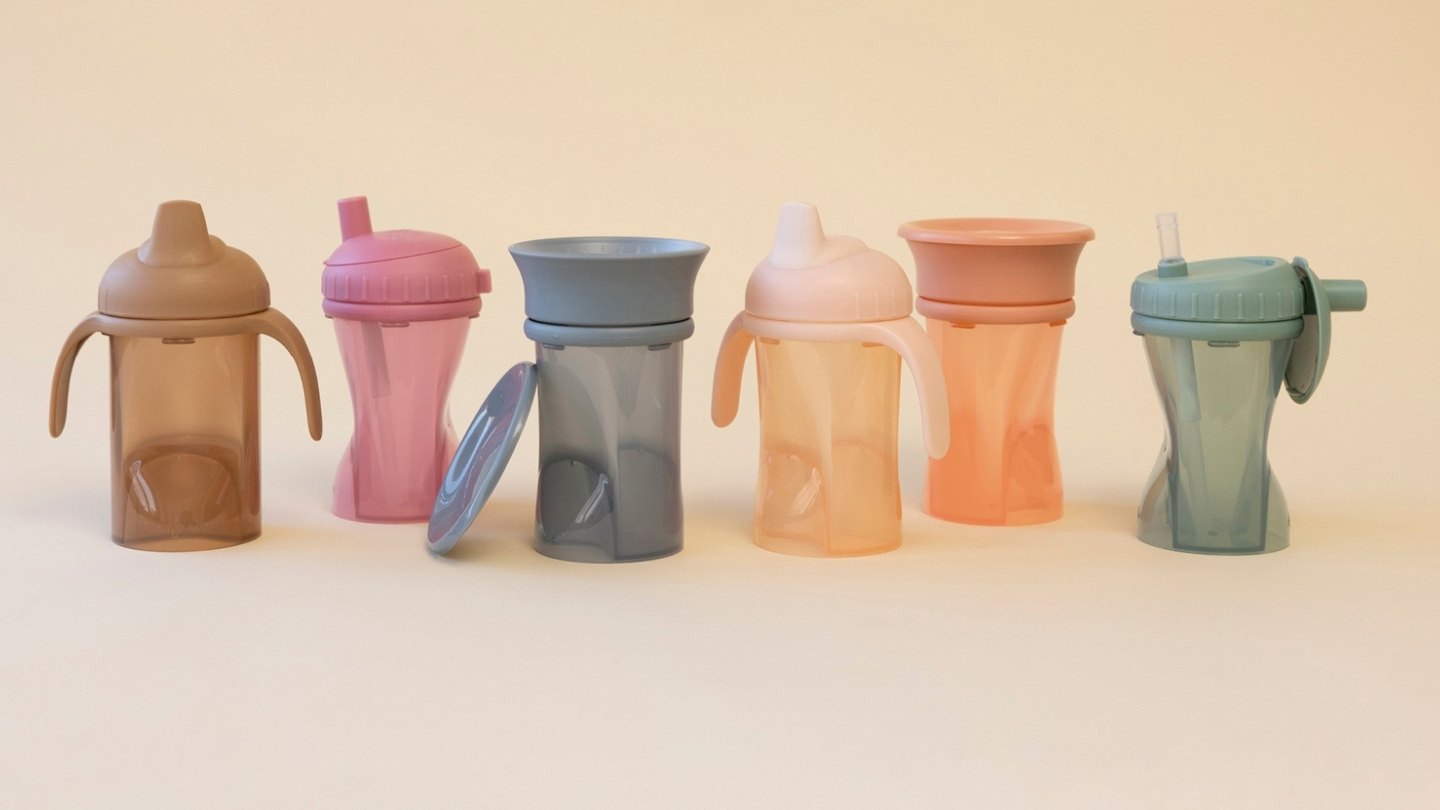
It’s always exciting to watch your little sprouts grow and develop new skills, and the sippy cup phase is one of the most important milestones. It marks the start of their journey towards independence as they begin learning to drink on their own. Straw cups are ideal for supporting speech development and strengthening oral muscles, but before babies are ready for a straw cup, getting them used to a soft spout sippy cup is an important first step. Most babies love them, and they also help minimise spills while your baby practices drinking independently. According to speech therapist and Mum of two Rachel Maroudas, who we recently interviewed as part of our Mom Talk series, when babies learn to drink from a straw, they develop their oral motor skills as they strengthen the muscles in and around their mouths and learn to coordinate their tongue and mouth movements. This helps with everyday mouth movements, such as feeding and later speech production. At Sprout, we believe that every type of sippy cup plays an important role at each stage of development. By the time your baby has started cutting teeth, they’ll be ready for a straw cup, and sippy cups act as the perfect stepping stone towards that goal. While babies under 12 months are typically too young to drink through a straw, soft spout cups give them the skills they need to transition smoothly when the time is right. In other words, a 360-degree cup helps children practice drinking from an open cup, while the sippy cup is a great beginner option for babies starting their weaning journey. Difrax Non-Spill Sippy Cup (250ml) Perfect for babies aged 6 to 9 months, the Difrax Non-Spill Sippy Cup helps your baby move from bottle feeding to drinking from a cup for the first time. With its adjustable two-position valve, you can control the flow, which is handy for babies still getting used to a cup. The anti-spill spout is a lifesaver, preventing leaks and making it ideal for when you’re on the go. Its conical design ensures that the liquid flows towards the spout without your baby needing to tilt their head back too far, reducing any strain on their neck. The soft spout and anti-spill features ensure a comfortable, mess-free experience, and the detachable handles are easy for little hands to grip. Plus, with input from medical experts, this cup is uniquely designed to enhance your baby’s drinking experience. Difrax Non-Spill 360-Degree Cup (250ml) This toddler cup is perfect for helping your child transition from a sippy cup to an open cup. The Difrax Non-Spill 360-Degree Cup has a sealing cap to prevent spills, making it a great option for travel or on-the-go adventures. Its innovative 360-degree rim allows your toddler to drink from any side of the cup, cutting down on mess. Designed for children 9 months and older, this cup supports healthy oral muscle development, making it a key stage in their development. The liquid only flows when your child sucks on the rim, so they won’t need to tilt their head back to take a sip. The slim, ergonomic design is easy for small hands to hold, and if your child already uses the Difrax Non-Spill Sippy Cup, you can attach its handle to this cup too, for added convenience. Designed with speech therapists, it’s very easy to clean and dishwasher safe. Difrax Non-Spill Cup with Straw (250ml) The Difrax Non-Spill Cup with Straw is a great next step for toddlers who have mastered the 360-degree cup and are ready for a traditional training cup. Its soft straw with an anti-leak system only releases liquid when your child drinks, making it mess-free and easy to use. Perfect for toddlers from 12 months, the Straw Cup not only supports healthy mouth development but is also easy to clean, as it can be fully disassembled to prevent bacteria buildup. Developed with medical experts, it balances safety and practicality. With a spill-proof straw, BPA-free materials, and a dishwasher-safe design, this cup is a favourite for parents. Just be sure to supervise your little one if they tend to bite the straw and replace it if you notice any signs of wear. Final Thoughts As your baby grows and becomes more independent, choosing the right cup for each developmental stage is key to supporting their progress. From soft spouts that mimic bottle-feeding to 360-degree cups and straws that encourage open-cup drinking, Difrax offers a range of solutions for every phase of your little sprout’s journey. Each step in the process not only helps your child master new drinking techniques but also promotes healthy muscle development in their mouth, setting them up for success as they transition from one stage to the next.  
Mom Talk - Rachel Maroudas

Stories

Mom Talk - Rachel Maroudas

by Lyal Seba on Oct 10 2024
Getting expert advice from a pro mom like Rachel Maroudas is what makes our Mom Talks so special. As a speech therapist and a mom of two, she’s sharing her top speech therapy tips with us, and which toddler cup gets her stamp of approval. Give us a snapshot of your daily family routine, from morning to evening, as a mum and paediatric speech therapist.   I have always wanted to do a "day in the life" kind of reel, but our mornings are so fast-paced that I feel it wouldn’t be fair to add that component into our routine with my girls. My husband leaves early, so it's just me and the girls in the morning. I get myself ready alongside them. Luckily, my 3-year-old dresses herself (often in very interesting outfits, but as long as she's dressed appropriately for the weather, she wears what she chooses). We finish getting ready, then head downstairs for breakfast. We usually have oats, and I load them with different goodies like nut butters, chia seeds, cinnamon, and fruit. Then Precious arrives (my 1-year-old stays home with her while I’m at work), and I drop my eldest at school before rushing off to work. I’m very intentional about not rushing my girls, so I make sure I’m well-prepared in the mornings. I pack lunchboxes the night before and get their bags ready, so the mornings allow a bit of connection time. I work at schools, seeing clients during school hours, and then do admin at night when the girls are asleep. After work, I pick up my eldest from school and make dinner as soon as we get home. Everyone is usually in great spirits, so it’s easier to get things done. Then we play. I’m a bit of a dinosaur in that I don’t like to overschedule. We have one extra-mural activity during the week, but we really prioritise play. We spend the rest of the afternoon playing before dinner (the kids eat exactly what we eat), and then we head upstairs for bath, books, and bed. How has your professional knowledge of speech therapy influenced your parenting style?   In so many ways! Not just through the knowledge from my job, but also the understanding of how children develop and respond to the world. It has helped me figure out how I feel comfortable interacting with children and decide which boundaries I find important. These boundaries shift slightly as a parent, but having a solid understanding of adult-child relationships is incredibly helpful. I had 10 years of experience working with toddlers before having one of my own, which has definitely been beneficial. It’s also made me keenly aware of how important parenting is, which is at the forefront of my mind every day. Parenting is the single most effective way to change a child's life and, in essence, the world.   Have you faced any unique challenges as a mum that your career has helped you navigate better?   I think my career has helped me in every challenge or decision I face. I have a very strong sense of self and belief in my role as a mum, so I don’t listen to too much outside noise or advice. I’m able to make informed decisions confidently, which I think is a game-changer for new mums. People will offer a lot of advice, including nurses and paediatricians, but not all of it is suitable for you and your lifestyle. Having the confidence to discern which advice works for us has been invaluable. I don’t think I would have had that confidence without the career path I chose.   What’s a common myth about speech and language development that you’d like to debunk for other mums?   A common myth that’s been coming up a lot lately is the idea that you need specific resources, like flashcards or special toys, to "do therapy" with your children. I try not to even use the word "teach" at home. We explore—colours, categories, numbers, etc. It’s more about shifting your mindset to see every mundane moment as an opportunity for exploration. Once you adopt that mindset, you’ll naturally help your child develop so many valuable skills. Children need repetition to learn, and using everyday moments ensures they get that repetition daily, which is far more effective than a 15-minute colour-matching activity, for instance.   Are there specific activities or routines you recommend for parents to help improve their child’s speech at home?   This ties in perfectly with the previous question—repetition is key! Labelling and repetition. Provide them with information as often as you can. With babies, you work on a one-word level, and as your child progresses, you build on that. If they are babbling, you label with words. If they are saying words, you expand to two-word phrases, and if they are saying two words, you move on to three. Always work one level above where they are. For instance, if your child says "ball," you can say "big ball" or "kick ball" rather than using full sentences. Focusing on important words makes it easier for them to absorb language. It takes time to get used to this strategy, but it’s incredibly effective.   Your little ones recently tried the My Little Morphée. What did you think of it?   I love the My Little Morphée! We don’t do screen time at home, so we’re big on audiobooks, but I usually have to facilitate them for my toddler. She can’t just play an audiobook on Spotify by herself, so this has been fantastic for her to use independently. I love how the stories follow a similar structure and use recurring language. It encourages repetition, but it’s also a great way for toddlers to practise visualising stories, which is a difficult skill when you only have auditory information. The familiarity of the template helps build that skill effectively.   We've heard many speech therapists say that straw cups are better than most other cups when it comes to oral development. Do you agree? When babies learn to drink from a straw, they develop their oral motor skills as they strengthen the muscles in and around their mouths and learn to coordinate their tongue and mouth movements. This helps with everyday mouth movements (for feeding and later speech production). I wouldn’t say that sippy cups are necessarily bad for development as an entry level cup, but straw cups provide skills that can aid more appropriate feeding and speech development, which are encouraged by strengthening and coordinating mouth muscles. Open-cup drinking is also excellent for development. Follow Rachel on Instagram for more pearls of wisdom on her page @smalltalkwithrach and enter our collaboration giveaway where one lucky winner can win a My Little Morphée here.  
Danielle Luwes Mom Talk

Stories

Mom Talk - Danielle Luwes

by Lyal Seba on Sep 17 2024
Guided by a passion for nature and a holistic lifestyle, Danielle Luwes shares her story of navigating motherhood while embracing balance and mindful living. Tell us a bit about yourself, your family, and your business. I'm a full-time working mom, a tax practitioner, and a part-time content creator. I have two boys, Liam (5) and Lenny (2), who are the absolute loves of my life. My husband, Callie, and I have been married for almost 8 years, and we have a beautifully balanced approach when it comes to raising our two boys. I’m passionate about mindful parenting, creating quality family time, and making intentional lifestyle choices. My family is my centre—we love being outdoors, especially taking walks in the mountains and on the beach with our dog, Millie. I turn to natural and organic options whenever possible, and that extends to everything from nutrition to home products. That’s where my journey as a content creator began—sharing easy and efficient ways to make more informed choices that benefit the whole family. My journey revolves around balancing my career with my role as a mother.  What challenges did you encounter when becoming a mom and trying to juggle it all?   The biggest challenge was finding a balance between being present for my family and managing my professional responsibilities. I struggled with mom guilt—wondering if I was doing enough at home and at work. Learning to manage time better, letting go of perfectionism, and asking for help when needed were key lessons in making it work.   Your passion for essential oils and holistic lifestyle choices comes across strongly on your page. What inspired this, and what tips can you give other parents who want to include holistic methods into their lifestyle?   My passion for essential oils and holistic living was sparked when I became a mom. I wanted the best for my children, which meant finding natural ways to support their health and well-being. Essential oils have been a big part of creating a calming environment at home, and I use them in everything from cleaning to sleep routines. For parents looking to incorporate holistic methods, I’d suggest starting small—focus on one area, like swapping out chemical-laden products for natural ones, and build from there. Trust your instincts and do what feels right for your family. Are there any mom hacks or advice you have for other moms that made your life a bit easier with two little ones?   Definitely! Meal prepping has been a lifesaver, especially on busy weekdays. I also found that having a structured bedtime routine using products that support calmness, like essential oils and My Little Morphée, has been amazing for calming the kids down. Another hack is to create ‘stations’ around the house—like a nappy caddy in different rooms—to avoid running around when you need something quickly. And lastly, take time for yourself whenever you can, even if it’s just five minutes of deep breathing or a cup of tea. My biggest mom hack is to be intentionally present (without any distractions) when spending time with your family—not only is it good for your relationships, but it also gives you the much-needed love and support in return, helping to get rid of that ‘mom guilt’ feeling easily. If you could go back in time 5 years and give yourself one piece of advice, what would it be?   I’d tell myself to be kinder and more patient with myself, to trust my instincts, and know that your children were meant to be yours for a reason. Lean into the beauty and hardships of motherhood, as it’s the most wonderful journey you will ever embark on. It’s easy to feel overwhelmed and think you have to do everything perfectly, but you don’t. Also, don’t be afraid to ask for help—you don’t have to carry the weight of everything alone.   Your son recently started using the My Little Morphée. Has it helped with his sleep and relaxation, and what do you think of the device?   Yes, My Little Morphée has been a wonderful addition to our bedtime routine. It helps calm both of my sons down and sets a peaceful tone for sleep. It has a different effect on each of them: I’ve noticed Lenny (2) relaxes quicker and enjoys listening to the guided stories and soothing sounds. Liam (5) does as well, but he also really enjoys the life lessons from the stories and the meditation exercises. It’s such a gentle and natural way to help them wind down, and I really appreciate the screen-free element.   Don't miss out! We're running a My Little Morphée Giveaway with Danielle, so visit our Instagram page here to enter.
Choosing the Best Bottle for Your Baby’s Needs

Stories

Choosing the Best Bottle for Your Baby’s Needs

by Lyal Seba on Sep 01 2024
Being a parent can be overwhelming, whether it's your first time or you’re welcoming a new addition to the family. Every baby is different. Your firstborn might feed like a champion, while your second or third could struggle with latching or suffer from colic. And a lot of parents purchase bottles based on values and research, before they even meet their babies, but you can’t predict exactly what their preferences will be. To help you navigate these decisions, we've compared two of our top-selling bottles, highlighting their distinct features. This way, when you’re feeling uncertain, you’ll have a clear understanding of which bottle will best suit your baby’s needs. In short, the Difrax LOVI Mammafeel Bottle is the closest you’ll find to a mother’s breast, specifically designed to nurture and protect the bond between parent and baby. On the other hand, the Difrax Anti-Colic S-Bottle has a different focus, creating colic relief. While both bottles can be used from birth, as colic typically begins around three weeks old, we’ll start by introducing the Mammafeel Bottle. Difrax LOVI Mammafeel: The Bottle that Feels Like a Natural Breastfeed It’s unique features: Soft, breast-like feel Smooth and natural feed Unique, expandable teat  Perfect for combination feeding and weaning BPA-free rating Odour, taste and allergy-free coating With its soft, breast-like feel, the Difrax LOVI Mammafeel bottle is specially designed to replicate a mother’s breast in shape, texture, and dynamics. Whether you're combining breastfeeding with bottle-feeding or weaning, its super-smooth, adaptive teat encourages an instinctive feeding flow, protecting your baby’s natural sucking reflex and preserving the bond between you and your baby. Featuring a unique, dynamic, expandable teat that adjusts to your baby's natural sucking rhythm, The Mammafeel Bottle is the first on the market to incorporate two silicone components of varying thickness. This innovative teat closely mimics a mother’s breast, ensuring a natural breastfeeding experience. The wide, sturdy base prevents the teat from collapsing, helping to position your baby’s lips correctly and providing extra grip during the feed. This design also allows your baby to breathe freely through their nose, reducing the risk of intestinal cramps. Each baby has a unique sucking technique, and the dynamic teat’s ability to move flexibly with your baby’s rhythm makes the Mammafeel bottle ideal for combination feeding. The skin-soft silicone ring, designed to imitate the areola, enhances the bottle’s breast-like feel, offering the same tenderness and comfort as a natural breastfeed. Teats are available in a: - 0m+ Mini teat - suitable for newborns - 3m+ Slow teat - 6m + Medium teat - 9m+ Fast teat Difrax Anti-Colic S-Bottle: The Ultimate Colic Solution It’s unique features: Narrow bottle and teat Unique S-shape Particularly ideal for premature and newborn babies Anti-colic valve ensures 100% milk,  no air intake Ergonomic design promotes a natural drinking position Ideal for combination feeding or weaning Developed by the Difrax medical team   The Difrax anti-colic S-bottle incorporates a 100% milk, no air, patented system designed to prevent colic, intestinal cramps, burping, and vomiting. Its innovative valve and unique S-shape design, work together to separate milk from air, helping to preserve essential nutrients and vitamins A, C, and E. The valve system facilitates a constant flow of air from the bottom of the bottle, eliminating the creation of a vacuum commonly associated with other bottles. Meanwhile, the S-shape ensures a steady flow of milk to the teat, even when the bottle is held horizontally. This design allows your baby to drink comfortably without having to strain and bend their neck backward, maintaining an ergonomic position with uninterrupted feeding. The narrow teat on the Natural S-bottle also makes it easy for babies to accept. Additionally, the narrower bottle and teat are especially suited for premature and newborn babies, accommodating their smaller mouths and providing a more comfortable grip. Difrax bottles are designed to be taken apart easily from top to bottom, simplifying the cleaning process, and helping to avoid bacteria. As your baby grows, you can change the flow of the teats. As a general guideline, the small teat is for premature and newborn to 4 months old, the medium teat is for 4-9 months and the large teat is for 9+ months. For babies with reflux, those who drink too quickly, or those for whom the size S teat isn’t sufficient, the Natural S-Bottles are ideal, especially for premature babies. These bottles come with a standard teat. Our other teats, sold separately, are compatible with this bottle, including the dental teat with a side hole to prevent milk from shooting down the throat, and the adjustable XS 1-2-3 teat for very slow flow, ideal for premature feeding.  Making the Right Choice for Your Baby Choosing the right bottle for your baby can make a significant difference to their overall comfort and feeding experience. Both bottles offer unique benefits tailored to different needs, so whether you’re looking to closely mimic the natural breastfeeding experience or seeking relief from colic, these bottles are specially designed by medical experts with your baby’s well-being in mind. Written by Jacqui Mills.
Women Navigating Today’s Demands

Stories

Women Navigating Today’s Demands

by Lyal Seba on Aug 16 2024
Over the last few decades, the demands and responsibilities on women have been steadily increasing. Whether they work full-time, part-time, or are stay-at-home moms, societal pressures have intensified, while family support has often diminished. Many women find themselves without the help of grandparents or extended family, either because they live too far away or are still working themselves. Modern-day mothers often face the challenge of returning to work shortly after maternity leave [which can’t be construed as ‘leave’ when being at home is often more demanding than being in the office] only to be thrust into a whirlwind of juggling work, children's needs, and the mental load that comes with it. And the rise of work-from-home jobs in recent years has made these challenges even more prevalent. Interestingly, the American Psychological Association reports that women are more likely than men to experience and report symptoms of stress due to the physical and emotional demands it places on their bodies. This could be because men often cope with stress by disassociating or escaping the source, while women tend to internalise their stress, which can be detrimental to both their physical and mental health. Furthermore, women are less likely to prioritise their mental and physical well-being during trying times. Hormonal fluctuations during PMT, perimenopause, and menopause can also exacerbate stress, affecting how women respond to stress both physically and emotionally. Women are also more likely than men to cite family responsibilities and relationships as major stressors in their lives. The mental load of motherhood, the overwhelming sense of responsibility for home life, and the pressure to advance in their careers while maintaining a standard of excellence all contribute to this stress. Research shows that women disproportionately anticipate and manage household needs. In fact, it’s well-documented that in most U.S. families, women handle more household chores than men, even when both partners work full-time. When children are added to the mix, this imbalance often leads to psychological distress. This isn’t to say that men don’t share the load - many are very hands-on, and decision-making is known to be a shared responsibility. However, women frequently carry more of the mental burden. How Stress Affects Women's Health Over time, stress can profoundly impact women’s health. Research and clinical experience have shown that women are disproportionately affected by both acute and chronic stressors. Some common conditions linked to this growing health concern include: - Depression - Autoimmunity (alarmingly, women account for about 80% of diagnosed autoimmune conditions such as lupus and arthritis) - Gut disorders - Weight gain - Hormonal imbalances - Infertility While most of us know how to reduce our stress, prioritising it often feels overwhelming, or poor mental and emotional health can prevent women from taking care of their overall well-being. This creates a vicious cycle. However, there are many small steps women can take to reduce stress, such as improving nutrition, getting more sleep, and spending time in nature. They’re also much less time-consuming than we often make them out to be. To support these efforts, tools like the Morphée and Zen can be invaluable. They offer a dedicated opportunity to step away from devices that may be exacerbating your stress and either decompress or drift off into a much-need deep sleep. As we celebrate Women’s Month, make a promise to yourself to carve out more time for your own well-being by prioritising [a bit of] self-care. Written by Jacqui Mills.
The Pacifier That Will Help Teach Your Baby How to Suck

Stories

The Pacifier That Will Help Teach Your Baby How to Suck

by Lyal Seba on Aug 02 2024
Contrary to popular belief, babies are not born knowing how to breastfeed correctly. So, in the first few days of life, it’s common for them to need some practice and guidance. For most mums and babies, achieving the correct latch often takes time, trial, error, and a lot of discomfort. There’s nothing more stressful when they’re struggling to feed – particularly when they’re so new and vulnerable – because our instinct is to care for them, and feeding forms a fundamental part of that. When mums are not succeeding, they often feel an enormous amount of guilt, which, while completely unwarranted, is entirely normal. While the guidance we receive from lactation consultants is invaluable, ultimately, it’s our responsibility to help them latch and feed properly. So, when you don’t have someone guiding you and it’s just you and your baby, it can feel very overwhelming. Now imagine a pacifier that is not just an accessory to soothe but actually helps you teach your baby to suck. Our soon-to-arrive Difrax dummy does exactly that, and the story behind it is truly compelling. Not to mention the fact that it received an international award before it even hit the shelves! Patented and produced by the Dutch brand Difrax, the affectionately named Pinky Pacifier redefines the concept of a traditional soother. Offering a scientifically designed solution that supports natural sucking reflexes and aids in the transition to breastfeeding or bottle feeding, it has been praised by healthcare professionals, parents, and international award panellists for its innovative approach and effectiveness. Here’s why: According to Difrax’s specialist Maternity Nurse and Consultant, the sucking reflex for babies is their survival kit. And she’s absolutely right. In the first two weeks, it’s especially important that babies develop a good sucking reflex. If their technique is not right and they don’t use their tongue correctly, they can’t suck and feed properly. Driven by the need to support infants' natural sucking reflex, Difrax meticulously designed this unique dummy. They assembled an expert panel of medical professionals to create a carefully constructed pacifier that encourages a natural sucking reflex in newborns and premature infants. Providing a distinctive solution that helps infants master the correct sucking techniques, the Pinky Pacifier facilitates a smoother and more effective transition to breastfeeding or bottle feeding. This technique involves parents placing their pinky fingers into the back end of the dummy, aiding the sucking reflex; and as you pull away, babies continue to suck confidently. The dummy’s design features a silicone-based, butterfly shape, allowing babies to breathe freely through their nose. It’s safe, tasteless, and allergy-free. Specially designed for newborn babies who have difficulty latching or accepting a soother. Not only does the Pinky Pacifier support the baby's development, but it also provides valuable assistance to parents, helping them navigate the early feeding challenges. By strengthening the bond between parent and child from birth, the Pinky Pacifier ensures that even the smallest and most vulnerable infants receive the care they need during those crucial early stages. Available in stylish Aqua and Moonstone colors, it’s designed to support both babies and their parents through this important transition. What a Good Breastfeeding Latch Looks Like A good breastfeeding latch is crucial for both the baby and the mother. Here are some signs of a proper latch: Baby’s mouth is wide open: The baby should have a wide-open mouth, covering more of the areola with the bottom lip than the top lip Chin and nose touch the breast: The baby’s chin and nose should be touching the breast Rounded cheeks: The baby’s cheeks should be rounded, not sucked in No clicking noises: There should be no clicking or smacking noises while the baby is nursing Comfortable for mom: Breastfeeding should not be painful for the mother. There may be initial discomfort, but it should not be sustained pain Signs That Baby Isn't Latching Properly An improper latch can lead to feeding problems and discomfort. Here are some signs that your baby might not be latching correctly: Baby’s mouth isn’t wide open: The baby’s mouth is not covering enough of the areola Painful feeding: If breastfeeding is painful for you, it may indicate an improper latch Clicking noises: Hearing clicking or smacking noises can be a sign of a poor latch Baby’s cheeks are sucked in: If the baby’s cheeks are dimpled while sucking, they might not have a good latch Frequent slipping off the breast: If the baby keeps slipping off the breast, it may indicate they’re not latched on well  Watch this space for the launch of the Difrax Pinky Pacifier later this month. Written by Jacqui Mills.
Mom Talk - Juliette Liberty

Stories

Mom Talk - Juliette Liberty

by Lyal Seba on Jul 23 2024
Join us in our latest Mom Talk as we dive into the vibrant world of Juliette Liberty, a stylish digital creator and inspiring mom. Discover her unique journey through the highs and lows of motherhood, and learn the personal tips and advice that have guided her along the way. Tell us a bit about yourself and a typical day in the life of you and your family. I am a mom to a beautiful little girl and also a digital creator. Our days are usually chaotic since we’ve hit the toddler phase, but also so rewarding. As frustrating as this phase can be, my daughter always reminds me to slow down and live in the moment.      What pieces of advice from others have you found particularly helpful as a mom? Some advice that got me through the first year of parenting is that everyone’s experience is different, so try not to compare yourself to other parents.  What has the most challenging part of motherhood been and why? Currently, overstimulation, lol. But if you had asked me this question a year ago I would have probably said that the challenging part was how lonely motherhood can be sometimes, especially as a first time mom.  I have since made so many mom friends online which has been amazing.  If you could send one message to your past self, pre-motherhood, what would it be? To enjoy sleeping or taking naps while you can, lol.  What is your favourite mom hack? Not sure if it’s a hack, but once I learned that including your toddler in every activity makes things so much easier. I love giving my toddler some dough when I bake as it keeps her busy for hours while I get things done.   What is your favourite Sprout product and why? This is a hard one ! I think that each product I’ve used was vital at different phases. I think the Difrax Non-Spill Straw Cup is the winner because it saves us messes and spills, but also because my daughter loves drinking out of a straw at this age and it is literally so easy to clean.  For more on Juliette's fashion, lifestyle and mom adventures, visit her Instagram page here. 
The Key to Stress-Free Exam Prep

Stories

The Key to Stress-Free Exam Prep

by Lyal Seba on Jul 18 2024
It's natural for us to want our children to perform their best academically. And when common sense prevails it’ll tell us that better grades lead to a more positive trajectory. However, anxiety and depression rates are increasing among teens, particularly those at ‘high achieving’ schools. So, the question is: What do we know, and what can we do to protect and support our children to alleviate some of that anxiety and help them achieve their best at the same time? The first step is to put away their phones [easier said than done, I know, but just hear me out on these alarming stats]. I recently read an article about a study showing that undergraduates who were instructed to leave their phones in another room performed better on cognitive tests than those who silenced their phones and left them face-down on their desks. What's even more alarming is that students who claimed they weren't thinking about their phones still experienced a loss in ability, indicating some level of unconscious distraction. My son is a bright, well-adjusted teen, but even he struggled to focus with his phone in the room. Every time it pinged; the interruption set him back by what felt like twenty minutes in a forty-minute session. For his recent exams, I actually took his phone out of the room between study sessions and only allowed him access during breaks. As you can imagine, at the time this went down like a lead balloon, but it definitely made a difference. Interestingly, when I shared these sentiments with some of my friends, they admitted they’d struggle to take their children's phones away, which is really concerning. This journal isn’t about telling others how to parent but about highlighting that having a phone in the same room while studying offers no advantage. None at all. Removing it and placing it in another room can help them achieve better results and save you from paying for extra lessons. Understanding the Impact of Digital Distractions Another point is that many children struggle with shifting between tasks, controlling impulses, and getting organised - essential skills for homework. Phones make it even more difficult for them to retain information and focus. Additionally, these children are under immense stress, and the buildup to exams is significant. Technology only exacerbates this stress. Beyond the immediate academic implications, there’s also a long-term impact on their overall development. Children who are constantly distracted by their phones may struggle with developing deep focus, a skill crucial for success in higher education and professional settings. Studies have shown that multitasking, especially involving digital devices, can reduce cognitive performance and increase stress levels. Alternative Solutions for Managing Stress and Focus Most parents don’t realise that they could significantly reduce their teen’s anxiety and exam stress by giving them non-digital devices like the Morphée or Zen to lean on when they feel overwhelmed. Accessing calming apps on phones is, in my humble opinion, not a solution because being on the device in the first place will only increase anxiety due to the distraction of social media, and in turn, affect their cognition. I fully support technology and accept that it will play a larger role in our children's lives than it did in ours. But we shouldn’t leave them to their own devices [pardon that pun]. By physically taking the phone away, we can help them make a mature decision to separate from the distraction and achieve greatness. Not every day, not all the time, but when they need to focus or manage anxiety. Creating a Phone-Free Study Environment Consider setting up a designated study area free of digital distractions or encourage your teen to leave their phone in another room. In addition to reducing anxiety and improving focus, these practices will help instil discipline and better study habits. To motivate them, reward them with their devices once they've completed their study sessions, or during their breaks. This will reinforce the idea that focus and hard work lead to positive outcomes. Another practical solution that can really help support your teen are The Morphée or Zen devices, providing a non-digital alternative to help them relax and concentrate. By reducing their reliance on devices during crucial study times, you can help them achieve their best academically and maintain their mental well-being. By making small but significant changes, we can better support our teens in navigating the pressures of academic life. The goal is not to punish them or eliminate stress entirely, but to help them manage it in a way that empowers them to feel calmer and succeed both at school and beyond, setting the stage for years to come.   Written by Jacqui Mills.
MR MOM

Stories

MR MOM

by Lyal Seba on Jun 14 2024
As Father’s Day approaches, we sat down with our dynamic Sprout founders, Business Director Olivier van der Schroeff and Creative Director Mike Bond, to explore the evolving landscape of parenting. Sharing their refreshingly honest insights on how dads are stepping up to the plate, embracing shared responsibilities, and redefining what it means to be a modern-day dad, they offered a glimpse into the changing roles of fathers. From tales of early morning school-gate high fives to the heroic mastery of fake breastfeeding, we dive into their experiences and discover how parenting roles are becoming more diverse [and entertaining] than ever.   Mike, rumour has it you once wore a bra to get your baby to drink. Walk us through this? Mike: Haha. I thought that was something mentioned in private. We were migrating from the boob to the bottle, but our baby wasn’t interested. So, after many attempts, I resorted to wearing one of Megan's pregnancy bras and hiding the bottle in the bra itself. Once he got a whiff of that bra, it was all systems go. Or should I say all systems flow? Sorry, Dad joke. Describe your parenting style in one hashtag? Mike: #onthefly If you could create a superhero based on your parenting skills, what would their name be and what powers would they have? Mike: My biggest frustration with parenting is balancing quality time with both my boys individually. If I could have a superpower, it would be the ability to create a copy of myself so I could be in two places at once.  As one of the co-creators of the brand, what does Sprout represent to you?   Mike: Sprout represents growth. As parents and kids, we’re on this journey of learning together. Some of it’s tough, but most of it is wonderful. We learn from each other every day. We grow together. Olivier, if fatherhood came with a user manual, what would be your top three must-read chapters?   Tomorrow is another day.  In the beginning I often had the idea that everything I did needed to be perfect. The perfect nappy change technique, the best bottle feed position, and the most efficient way to dress your baby inter alia. A complete waste of time. Not everything will be perfect and many mistakes will be made and I realised very quickly that in the baby phase, time is on your side. Tomorrow you can try your best again and all you can do is keep trying and love your child.        2. Your baby is not unique.  We all think our child is the best. They are unique creatures and we are completely blinded by love and excitement. Therefore the panic is real when suddenly there is something wrong with your child. Could be a bad fall, a sickness or anything in between. I found consolation in the idea that (almost) everything that happens in your parenting journey has happened before. That idea always gives me peace of mind.          3. Be present.  A total cliché, but true. With my little girl I try to be present every day. Small things from eating together, helping her with homework, playing games, and reading a book every night, in other words just spending time with her in the present is an absolute pleasure.      If you could switch roles with your partner for a day, what’s the first thing you’d tackle as a mom? Olivier: This is a difficult one. The bond between my daughter and my wife is very strong. Almost every day they have long chats about school, about the dynamics at school and life in general. I wouldn’t tackle anything in the sense of changing something, but I would finally get to know the boy’s name my daughter has a crush on. (and when I’m the father again, this boy will be watched extra carefully, ha ha). What is one of your proudest dad moments?  Olivier: I’m proud of my girl every day. There are many moments I cherish deeply. From her birth (becoming a dad), to her first step, her first spoken word (dada not mama, ha ha), performing in the school choir, beat me at Monopoly and many more moments.      If you could write a children's book inspired by your experiences as a dad, what would the title be, and what life lesson would you want to convey through the story? Olivier: Title: Fly to the Stars   Lesson: The world is your oyster. Don’t be afraid to make mistakes. Fall, stand up and go again. Love yourself and do everything you do with passion and a smile. Then you can fly to the stars. Enter our Father's Day Giveaway here and wishing all the dads out there a Happy Father's Day weekend. Go and make some memories. 
Wellness vs. Health: Understanding the Differences

Stories

Wellness vs. Health: Understanding the Differences

by Lyal Seba on Jun 06 2024
We’ve all heard the wellness buzzword being bandied about, but unless you’re a health enthusiast who starts their day with fasting followed by a Pilates class at noon, you probably haven’t paid much attention to what it really is, why it’s so important, and how you can achieve it within the bounds of modern-day life. Depending on who you ask, the dimensions of wellness can vary greatly. Personally, I need a bit more sustenance than a skinny green juice for lunch. However, most reasonable people will tell you that wellness is about living a healthy lifestyle where you have the ability and energy to live life to the fullest, without chronic suffering. Although wellness looks different at every stage of life, in essence, it’s the act of practising daily healthy habits [or attempting, in my case] to achieve better physical and mental health outcomes. So, instead of just surviving, you’re thriving. In other words, wellness isn’t a passive or static state but rather an ‘active pursuit’ involving intentions, choices, and actions as we work toward optimal health and wellbeing. Of course, this is significantly influenced by the physical, social, and cultural environments in which we live. Remember, wellness is different from health. Although related, they are distinct concepts. The World Health Organisation defines health as ‘a state of complete physical, mental, and social well-being and not merely the absence of disease or infirmity.’ By contrast, the National Wellness Institute defines wellness as ‘an active process through which people become aware of, and make choices toward, a more successful existence.’ So, the bottom line is that wellness is, for the most part, a choice. It’s an active process, meaning it’s an ongoing effort for people to invest in themselves - it’s not something that is granted to you on a silver platter. The challenge is that there are eight dimensions to it, and balancing those in this fast-paced world is not easy. Everyone is different, and some areas of your life will need more attention than others at different times. These are some ways you can increase your own wellness in each area [not all at the same time obviously, because you’d burn out]! Physical Wellness: Stay active with small daily actions like taking the stairs as opposed to the elevator, eat healthily, and ensure you get plenty of sleep. Emotional Wellness: Be true to your feelings and share them with trusted people. Social Wellness: Build connections by regularly reaching out to friends and family. Occupational Wellness: Find satisfaction in your work by pursuing roles aligned with your passions and take breaks to avoid burnout. Intellectual Wellness: Stimulate your mind by reading and learning whenever you can. Financial Wellness: Be aware of your finances, create a budget for stability, and seek expert advice if necessary. Environmental Wellness: Spend time in uplifting environments, enjoy nature, and declutter your space to reduce stress. Spiritual Wellness: Explore activities that give you a sense of purpose, align with your values, and help others in need. Achieving wellness is a journey unique to each of us. By paying attention to these eight dimensions and making small, intentional changes, you can enhance your overall well-being and lead a more fulfilling life. Remember, wellness is about progress, not perfection. So, start today, take one step at a time, and celebrate the little victories along the way. Here’s to a healthier, happier you on this Global Wellness Day, and beyond. Written by Jacqui Mills.
Unravelling the Illusion of Overwhelm

Stories

Unravelling the Illusion of Overwhelm

by Lyal Seba on May 30 2024
As I navigate the morning rush, juggling the needs of two energetic boys, a message pops up from a friend, reflecting on how she feels about the fact that we hardly get to see each other. Guilt washes over me, acknowledging the validity of her sentiment, amidst the chaos of spilled breakfast and scattered shoes. It's a common refrain among parents, a shared sigh exchanged during hurried phone calls and brief encounters at the school gates. But amidst this whirlwind of modern-day parenting, a question lingers: Are we truly powerless against the demands of our schedules, or is there a way to reclaim control and find balance? Amidst our frenetic lives, where demands constantly tug at our sleeves, I've come to realise that while some aspects of parenthood and stress are inevitable, there are paths we can chart to regain control and carve out moments of calm amidst the chaos. I believe the first step is to unpack why we feel overwhelmed and busy. It’s often a culmination of work demands, parental responsibilities, school commitments, extracurricular activities and household chores. But to a large degree, I feel most of us secretly revel in being busy - or perhaps it's a case of not knowing how to be any other way. In this day and age, our cultures glorify busyness, contributing to high levels of stress and burnout. It's more important than ever to question societal norms and prioritise our well-being, and it doesn’t have to cost the earth or take hours out of your day. But it does require a commitment to yourself. Starting with honesty is key. You are the only one who can make a conscious decision to set aside more time for yourself - even if it's only ten minutes a day. Then, recognising which responsibilities are essential and which ones might be self-imposed. Stop and ask yourself if you can control some of the chaos. I'm not suggesting that you change your life into 'slow living' mode overnight, but there are practical tips and strategies you can adopt to slow down and simplify your daily life. Prioritise Sleep: Invest in quality sleep aids, weighted blankets and aromatherapy pillow mist to create a tranquil sleep environment conducive to rest. Embrace Mindfulness: Incorporate meditation aids, mindfulness journals, relaxation playlists, or essential oil diffusers into your daily routine to promote relaxation. Nurture Self-Care: Explore self-care products like natural skincare essentials, herbal teas, or bath bombs to indulge in moments of pampering and rejuvenation. Create a Calming Environment: Enhance your home with calming colours, indoor plants, or soothing wall art to promote a sense of tranquillity and serenity for the whole family. Take ‘Time Out’: Recognise the importance of stepping away and taking a break when feeling overwhelmed. Whether it's a few moments of deep breathing, a short walk outside, or engaging in a hobby, giving yourself permission to take ‘time out’ to recharge your batteries and approach challenges with a fresh perspective. As you incorporate these changes into your routine, remember that progress takes time. Small steps towards balance will significantly improve your well-being and overall quality of life. So, take a deep breath and remember, amidst the chaos, you hold the power to carve out moments of peace and tranquillity. It's not about doing more; it's about doing what matters most. To view our sleep and meditation aids click here.  Written by Jacqui Mills.
Tackling Blue Light and Sleep in the Digital Age

Stories

Tackling Blue Light and Sleep in the Digital Age

by Lyal Seba on May 17 2024
It’s been years since I’ve had a truly restful night's sleep. In the early days, it was accredited to constant newborn night wakings, and just when my children start sleeping through the night, a new culprit emerged - hormones. And living in a digital era doesn't make it any easier. It's almost reflexive to reach for our phones before bedtime, despite being very aware of the harm those blue lights can do to our sleep patterns. And the irony isn't lost on me that our kids, too, are ensnared by the glow of screens. But to say that blue light is bad is actually an oversimplification and not entirely true. Many of our physiological processes actually depend on blue light in order to function, especially our circadian rhythms. These rhythms are the 24-hour cycles that run our internal clocks and help the body carry out functions and processes that are crucial to our well-being. The most obvious circadian rhythm is the one that makes you feel sleepy at night and alert during the day, and nighttime light exposure can confuse this process, suppressing melatonin production and keeping you up longer. However, it's important to note that not all blue light is harmful. Sources of beneficial blue light during the day include sunlight, daylight bulbs, and certain LED lights, which help regulate our sleep-wake cycle and promote alertness. What makes the blue light emitted by screen-based devices harmful isn’t necessarily the light they emit. Rather, it’s the misalignment created in our circadian rhythms when we’re exposed to blue light outside of the hours of exposure that have been natural to humans for millennia. Simply put, when the sun goes down, our bodies take the absence of blue light as a signal to launch a multitude of physical processes. Exposure to blue light after sunset, especially at bedtime, disrupts those processes, which can have a number of negative effects on health. Interestingly, a study out of the University of Colorado Boulder highlighted just how detrimental even minimal light exposure before bed can be, especially for children. It's not just about screen time; any form of light in the room can disrupt our sleep. Misalignment of human circadian rhythms is believed to play a role in the development of numerous disorders associated with ageing - including depression, diabetes, hypertension, mood disorders, cardiovascular disease and obesity, and may even increase the risk of certain cancers. But the truth of the matter is, it's not always practical to completely disconnect from our devices before bedtime. Important updates from work or school can't always wait until morning [especially when you’re A-type like me]. However, I've recently made a conscious effort to curb my pre-sleep scrolling habits, and it's really made a difference. Now I quickly check my messages, set my alarm, and hit the pillow. It's a simple adjustment, but it's had a profound impact on my sleep patterns. Plus, I've introduced The Morphée to my nighttime routine and really helps me unwind after a long day, because my biggest problem was transitioning from a long to-do list racing through my mind, to quietening my thoughts into sleep mode. There are so many small, practical steps we can take to protect ourselves and our families from the harmful effects of blue light: Turn your phone off way before bed: Read through and respond to your messages a couple of hours before you get into bed, then all that’s left to do before you turn your light out is set your alarm and check for any really important updates. Don’t forget to flip your screen so it’s facing downwards on your nightstand too. Go green: Turning to green-wavelength light, such as the light emitted by the Allay Lamp, can offer a source of illumination for reading and other activities without the damaging effects of blue light. Dim it: Most devices allow you to dim your screen, as do dimmable LED light bulbs. If you can’t avoid blue light at night, simply turning down the light source a bit can still make a big difference. Black out your bedroom: From alarm clocks to air purifiers, you likely have some subtle source of light in your bedroom at night - even if it’s just artificial light from street lamps making its way in through your window. Consider putting a piece of tape over the light on your air purifier, putting blackout curtains in your bedroom, or even wear an eye mask to protect yourself from these light sources that disrupt your sleep.  Blue light blocking apps for screens: With the rise of smartphone usage before bedtime, several apps have been developed to address the issue of excessive blue light exposure. These apps adjust the colour temperature of your device's screen, reducing blue light emissions in the evening to promote better sleep. The point is, we all know that we shouldn’t be exposed to blue lights before bedtime, but it doesn’t seem to stop us from perpetuating the habit. It’s not an easy one to break, especially in its entirety, but by being mindful of our exposure to blue light and taking small steps to protect our sleep, we can make such a difference to our physical and mental wellbeing. Written by Jacqui Mills.   
Mother's Day Mom Talk

Stories

Mom Talk - Vicki Sleet

by Lyal Seba on May 07 2024
With Mother's Day creeping up on us, we chatted to resourceful Vicki Sleet about how she's renewed herself and reworked her career, as the world has shifted and changed after lock down. From handy mom hacks to insightful lifestyle trends, we're all ears and loving her style.  Tell us a bit about what you do as an editor in the print and media world. At the beginning of lockdown, the company that published Good Housekeeping where I was Deputy Editor liquidated and as a result, the editor Sally Emery and I had to think quickly – and Luckybird Content Agency was born. We are a communications agency offering print and digital written and visual content plus marketing strategy and some PR. We currently produce and co-produce three magazines for various brands – ranging from a smallish digital offering aimed at moms of teens to a magazine for a large fashion chain and another 300-plus page food and lifestyle publication. Each of these offers us a chance to flex our creative muscle while leaning into our many years of publishing know-how. We also produce web content – from web and social media copy to video for brands that span food, finance and lifestyle silos. It's diverse and every day is different which I absolutely love. Oh, I also work on writing commissions for various magazines that I have built relationships with over the years and I have my Instagram which morphed from the blog I started back in 2009.   What is on your radar at the moment with regards to lifestyle trends?  With the cost of living affecting us all – home is where it's at! Lockdown spurred a deep desire to create a sanctuary at home and now we are working hard at making those desires for a better life at home happen a little less frenetically. Whether it's streamlining things to avoid unnecessary spending, tending plants or homegrown veggies no matter how big your space, cooking on a budget or planning our space and day mindfully so we can maximise our home life, all of these are key focuses for people right now but in baby steps – we’re habit stacking rather than throwing in the towel and starting from scratch. Entertaining is definitely more potluck style and we are all seeing the value of investing in experiences rather than focusing on acquiring unnecessary things.   Do you have any mom hacks that you can share with us that's made your life easier? Meal planning and batch cooking is a lifesaver (and I am obsessed with my Instant Pot and Air Fryer for making things so much more efficient in the kitchen). Getting my children to showering age (a good scrub in the bath twice a week though) has been a game changer. I keep a chores list where I have weighted certain chores to rewards (ok, it’s money!). Regular wardrobe weed outs (and no new purchases until some items have sold on Yaga) and very very important – carving time out for myself so that I can recalibrate. This includes at least one friend date a week and my husband and I have Tuesday as our date night, no matter what. Oh, and getting enough sleep – I’m a wreck without it. Also – saying NO to what doesn’t serve myself or my family is a ‘hack’ that is becoming easier to do, a work in progress.   We loved your recent reel on how My Little Morphée has helped your daughter fall asleep easier. Tell us more about your family journey with the Morphée devices. Sleep has been a dirty word in our home for a long time. At least one of our girls likes to come into the bed with us at some stage of the night. While we have no issue with that whatsoever, when our youngest got to six, we knew something had to change because she was reliant on us falling asleep too, which wasn’t sustainable.    My Little Morphée came at a perfect time. She loves the independence of using the device and that there are so many meditation and musical choices. It’s been a game changer for her in creating independence in going to sleep but more than that the value in how it is so calming feels priceless – we should have done it years ago.    The Morphée device is one of those things I think every adult and marriage needs. Getting the phone out of our bedroom is a constant challenge and before we know it my husband and I haven’t said a word to each other for an hour while we both doom scroll. It is also a game changer in terms of sleep quality. I recommend a magnesium supplement to REALLY get you into sleep mode. If you’re peri-menopausal like me, you should know that you can pop on the Morphée if you wake up in the middle of the night and it works to get back to sleep really well too! To stay in the loop follow Vicki and Lucky Bird Agency on Instagram.
The Benefits of Using a Pacifier for Your Baby | Difrax Pacifier Guide

Stories

The Benefits of Using a Pacifier for Your Baby | Difrax Pacifier Guide

by Shopify API on May 03 2024
‍ Babies are born with a strong innate urge to suck. This is a natural behaviour designed to stimulate their mother’s milk production, make latching during breastfeeding easy, and calm them down – sucking has been proven to effectively lower babies’ heart rates, blood pressure, and stress levels. Pacifiers fulfil this natural suckling need and offer a sense of comfort, safety, and peace – even when you’re not there. Pacifier vs. thumb sucking There are several reasons why pacifiers are a better choice for your baby than thumb-sucking: Pacifiers are kinder to the teeth than thumbs are Pacifiers are more hygienic than thumbs Pacifiers are safer for your baby to put in their mouth than thumbs Your baby will fall asleep more peacefully with a pacifier and will turn onto their tummy less quickly, reducing the risk of infant death It’s easier for your baby to quit using a pacifier than to quit thumb-sucking ‍ The benefits of Difrax pacifiers Difrax’s pacifier range has been developed to suit the needs of babies from a premature stage to over a year. Difrax pacifiers: Have a butterfly-shaped shield that leaves your baby’s nose free for breathing and prevents skin irritations Are tasteless, odourless and allergy-free Are developed in collaboration with speech therapists and dentists Grow along with your child’s age and sucking needs Are pleasant and easy to accept Come in a range of colours – even glow-in-the-dark Difrax pacifiers for different ages The Difrax range consists of five different-sized pacifiers, spanning from pacifiers just for newborns to ones for kids over a year old. Regardless of age, Difrax pacifiers offer comfort and safety. The size of the shield and teat of each pacifier varies according to its age category to ensure your baby is comfortable using their pacifier as they grow. The teat also becomes more solid as the size increases, so it stays proportional to your child’s developing jaw and sucking strength. Please note that Difrax recommends replacing your child’s pacifier every six weeks and checking for damage every time before they use it by firmly pulling the suction area. If the pacifier is damaged, replace it immediately. They also recommend starting to wean your child off their pacifier as soon as they start biting on it. ‍ Recommended by parents 91% of parents gave Difrax pacifiers a good to excellent rating**93% of parents would recommend Difrax to their friends, family, or colleagues* One mother says: “It’s great! The pacifier is hip and trendy. I love the variation in designs. It’s a good fit for my little girl and offers her the right amount of comfort when she needs it.” ‍ ‍ *These results are based on a customer satisfaction survey carried out on Difrax.com in December 2017.  **Based on a total of reviews of Difrax pacifiers on Bol.com in December 2017. ‍
Family

Stories

Mom Talk - Lindi Koekemoer

by Lyal Seba on Mar 13 2024
 As part of the nurturing trio behind Brave Little Baby, Lindi is a compassionate child and infant sleep guru, guiding parents through the journey of creating healthy bedtime routines. As a dedicated mum, wife and entrepreneur, Lindi appreciates the fine balance between familial responsibilities and the pursuit of her passion. In honour of World Sleep Day this Friday, she shares her insight into her motherhood journey and her go-to strategies for sweet dreams.   After recently having your third child, what have you learnt to do differently?   This time round I am far more relaxed and less anxious about the little things. It’s a shift that not only benefits me, but creates a more relaxed atmosphere for my baby, and it’s my mission to help all new moms to experience this too. I am very mindful of her sleep, but there is a certain amount of flexibility required with the third child.     Tell us a bit about yourself and your practice as a baby and child sleep coach.   Being such a big baby lover, I assumed parenting would be a breeze with my firstborn, and to my surprise it turned out to be quite the opposite! Motivated by my love for learning, I delved into resources on sleep and growth, striving to equip myself with the knowledge needed to be the best mom possible. Our second baby arrived, and things were easier, but my second born was a different cup of tea. Thankfully, my cousin and business partner, Zanda, helped me establish a solid sleep routine with her from early on, and she turned out to be a really good sleeper! Today we’ve helped over a one thousand families reclaim their sleep, reduce anxiety and be fully present in their parenting journey. Our passion for sleep extends to every age group, recognising its importance for everyone.   Is there a certain amount of sleep that a newborn should get per day, and how does this compare to their toddler stage?   Oh yes! One of the key things I only learnt later on in parenting is how much newborns sleep; only waking for 45-60 minutes in the first weeks for feeds, nappies and a bit of bonding. They are also only awake for short periods during the night, so sleep is staggered throughout a 24-hour day, whereas toddlers (defined as 2 years and up) ideally sleep for a maximum of 1-2 hours during the day (or not at all) - a crucial shift we aim for to consolidate the night time sleep during these formative years.   What are your top 3 tips for parents trying to get their little ones off to bed in a more structured way?   Start with a bedtime routine as soon as possible (ideally from 4 months old). Incorporate a couple of key steps into the routine that will signal that it’s sleep time, like a bath or bedtime story. The day can get quite long for toddlers if bedtime stretches beyond 7:30pm, and bear in mind that an overtired child is not easy to get to bed. Be mindful of a baby’s nap schedule, and if they didn’t get as much sleep as they should have during the day, ensure you get them to bed early to avoid tantrums and tears!  When it comes to older children (2yrs +) offering them choices can avoid power struggles. Allow them the autonomy to make choices such as what pyjamas to wear, but reaffirm firm boundaries such as sticking to one book.    What are your top products from Sprout Store and why? So glad you said Sprout “products” and not just one! Currently, during the newborn phase I am loving the Difrax pacifier cloth. It’s safe to use in the cot, ensures the pacifier is secure, and is a good way of introducing sensory stimulation. The Difrax anti-colic S-bottles are also amazing. I have given my six week old pumped breastmilk with these baby bottles and the winds are even less than when she feeds directly from me!  I am also excited to move over to the Difrax 360 Degree non-spill toddler cup, because I know for certain they are 100% non-spill!  Don't miss out! We have collaborated with Brave Little Baby for an exciting giveaway just in time for World Sleep Day. Visit our Instagram page here to enter.
Mom Talk - Charné Delport

Stories

Mom Talk - Charné Delport

by Lyal Seba on Nov 03 2023
Mom, wife, photographer, entrepreneur. Charné Delport wears many hats, and she wears them well. In this edition of Mom Talk, we chat with her about life as a first-time mother, juggling parenthood with work and responsibilities, and her and her son Ezra’s favourite Sprout product – the Difrax S-Bottle.   Tell us a bit about yourself. What does a typical day in your life look like?   I’m a 24-year-old wedding and lifestyle photographer, married to my best friend and a first-time mama to the sweetest 5-month-old baby boy. Between these things, I've been stretched in every direction over the past few months. It’s been challenging, but overwhelmingly beautiful as well. Entrepreneurship can be a lonely road, especially when you’re also a first-time mom working from home. I’ve had to learn to lean on my village. We’re lucky to have an amazing family – they've been the biggest blessing during this season of our lives and have allowed me to keep pursuing my passions. As a full-time photographer, my schedule looks different each week. Generally, my weekends are filled with weddings and shoots and my weeks are spent focusing on post-production and admin-related tasks, with the occasional sunset shoot here and there. Although I thrive on structure and ticking tasks off a to-do list, I’ve had to surrender to the fact that working from home with a baby means every day looks different. Over the past month, I’ve implemented a loose routine for Ezra, which has benefitted both of us. On a “good” day, I’ll spend time with him while he's awake and schedule my work during his naps. This has helped me to be fully present with what I’m doing instead of thinking of work when I'm playing with him and vice versa. When my husband Aiden gets home from work, we spend time together as a family. If the weather's good, the guys sometimes tag along with me to my sunset shoots for some quality outdoor time.     When you’re out on a photoshoot, how do you make sure Ezra has everything he needs?   Because I’m exclusively breastfeeding, I always worry about whether Ezra will have enough milk while I’m shooting – especially because my days often stretch longer than 10 hours. Having a routine has helped in this regard as it gives me an idea of how many feeds he has on average every day so I can make sure I have enough milk pumped. In the lead-up to a wedding, I try to fit in at least one pumping session per day, usually after his morning feed, to build up a freezer stash for the time I’ll be away. We spent our first night away from Ezra last month to shoot a wedding in Robertson. It was tough on my mama’s heart but I was also so incredibly proud of myself packing up his frozen milk to send with him.  When I’m working on a long photo shoot or wedding, it’s often difficult to stick to a pumping schedule since the timing of every shoot is so different. I try my best to pump at least once every 4 hours or fit in shorter, more frequent pump sessions if I can. This helps protect my milk supply and build up a stash for the next wedding or shoot. Luckily, other than having enough milk, I’m never overly stressed about him because his grandparents love and spoil him to bits whenever they’re on babysitting duty.    Is there anything you’ve found challenging about motherhood that you didn't think much about before becoming a mom?    The unseen mental load that comes with being a mom is something I didn't expect – the constant to-do lists, anxieties, mom guilt, and stress. Motherhood can sometimes be overwhelming and difficult to explain to someone who isn’t in a similar season of life. It can consume you, but I’ve realized that it’s so important to find pockets of time to fill your cup and do things that bring you joy, which then allows you to pour back into your family and be the best mom, wife, and business owner you can be. It’s not always easy to focus on yourself as a new mom, but it’s necessary. Moms truly deserve more credit!   You shared with us that Ezra had oral restrictions and struggled to bottle feed, but succeeded with the Difrax S-Bottle. Can you tell us more about this and how you’re navigating it?    Ezra was around 10 weeks old when we discovered he had a tongue and lip tie that was causing digestive issues and lots of discomfort for both of us. His oral restrictions caused him to swallow lots of air while breastfeeding. We tried a few bottles from popular brands to try and reduce the amount of air he was swallowing when feeding, but they made the situation even worse. I came across the Difrax S-Bottle at a baby expo earlier this year and was fascinated by its unique anti-colic system and beautiful design. From the first time we used the bottle, we immediately noticed a difference. Ezra swallowed noticeably less air and wasn’t choking or gagging while feeding. Since then, we’ve had his tongue tie released and he’s doing much better. We’re still loving our Difrax S-Bottles – it’s now the only bottle we use. The S-Bottle has made transitioning between breast and bottle super easy while also reducing the discomfort Ezra experiences after feeding. Seeing your baby in pain is so heartbreaking as a mom, so I'm grateful to see him flashing his gummy smile more. And I know that he will comfortably and happily drink from his S-Bottles when I’m away for work.    
More about My little Morphée

Stories

More about My little Morphée

by Angie Herrmann on Oct 16 2023
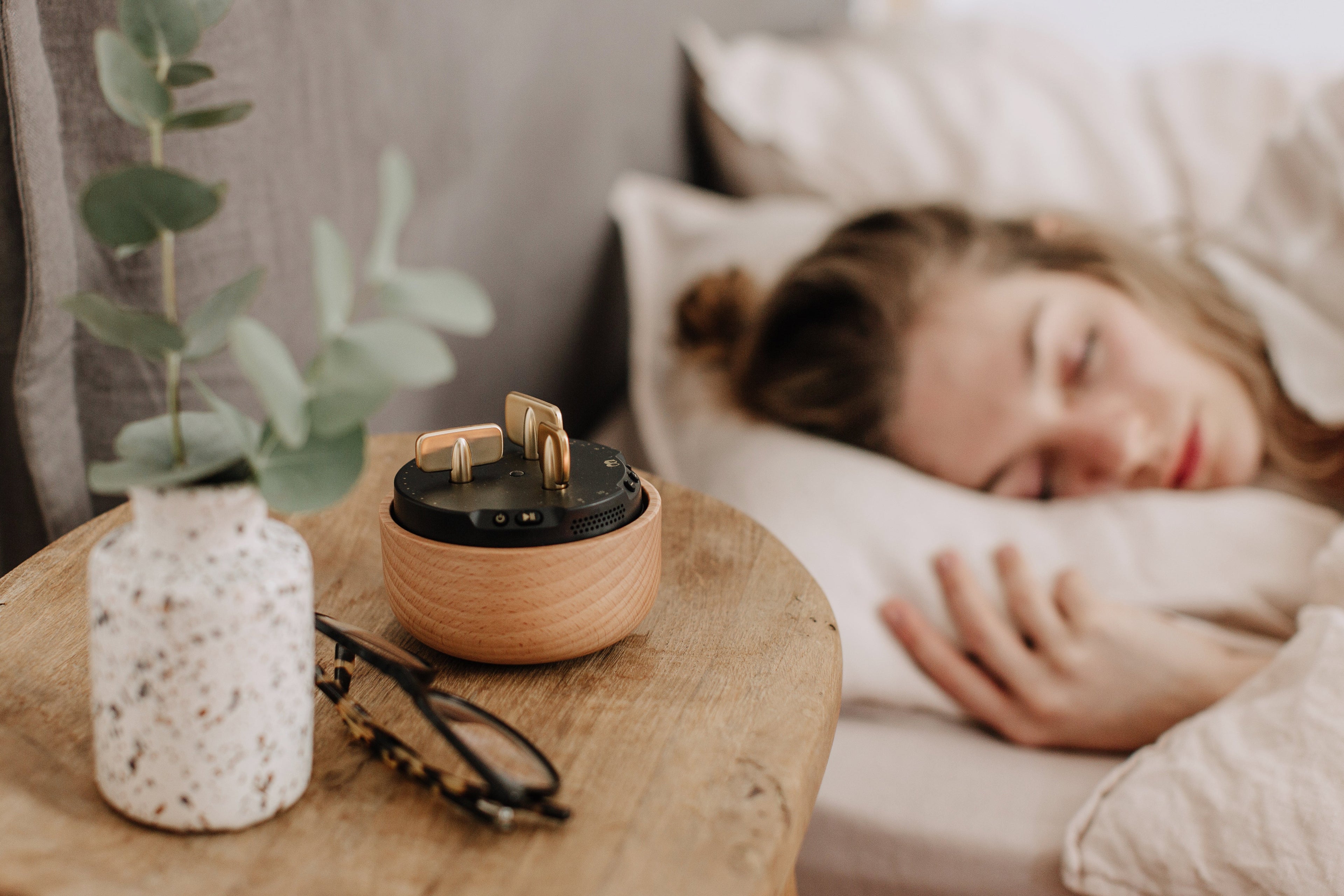
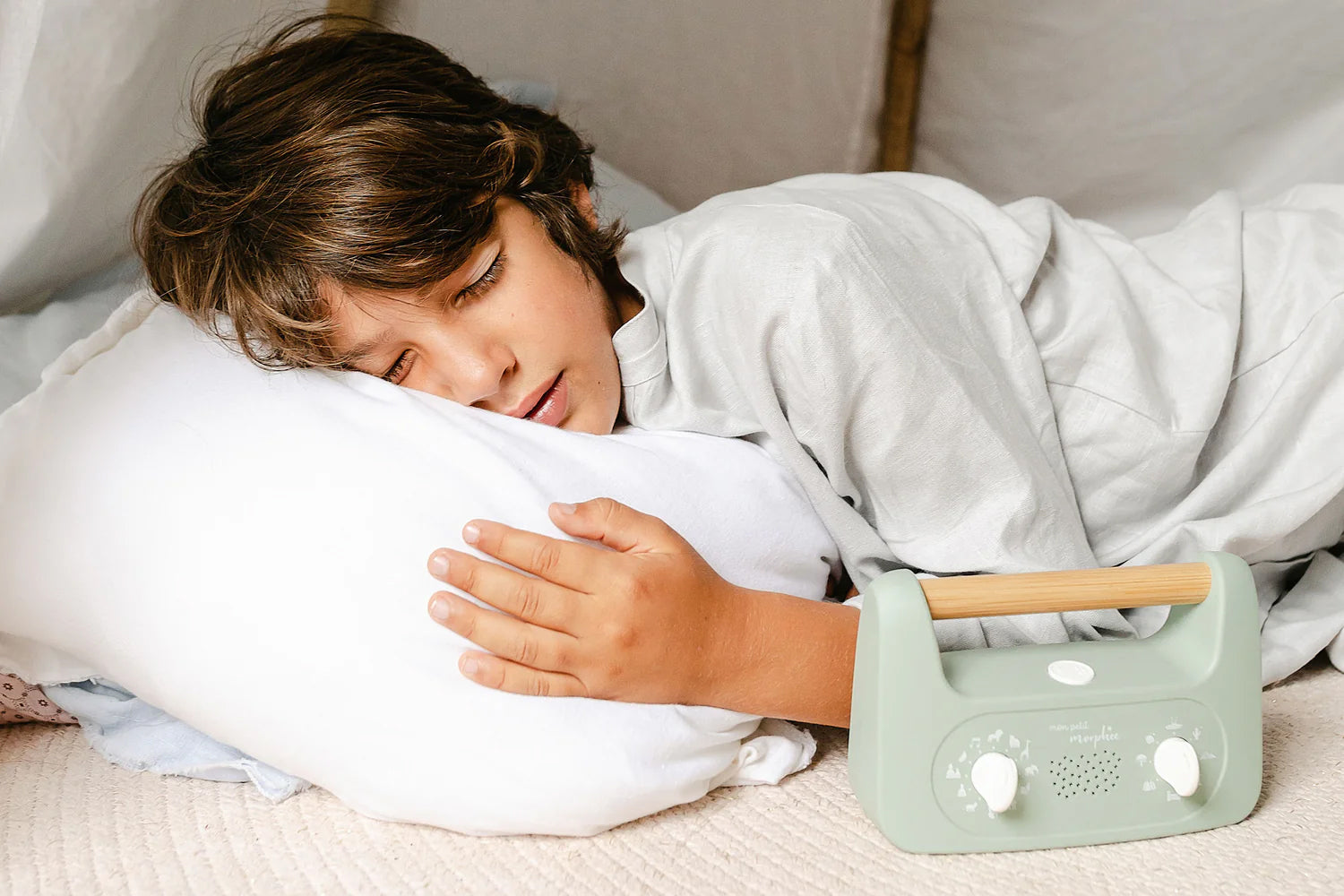
My Little Morphée Accompanies the child towards a more serene sleep Allows them to return to calm at any time of the day Improves the concentration of the child Allows the child to manage their emotions 100% disconnected without waves and without screens Nomadic and easy to transport, thanks to its wooden handle What's included in My Little Morphée 128 soothing stories in which children set out to discover a resource, guided by an animal of their choice. 32 meditations that allow children to manage their emotions and gain self-confidence 16 nature sounds (purring of the cat, sound of the sea, fire in the fireplace...) 16 soft music specially composed for My Little Morphée My Little Morphée contains 192 sessions split into 5 themes Meditative journeys: soothing stories guided by animals. Soft music tracks composed by Gilles Maugenest. Nature sounds recorded in different places in the world. Solo meditations. Group meditations to follow along with friends and family. How does My Little Morphée work? Lying comfortably in bed or sitting in a calm and quiet place, choose a session out of 192 possible combinations.   With the first key Choose the theme of the session. With the second key Choose the universe you want to travel to (island, desert, forest…) Then with the hourglass Choose the duration of your session.
Ensuring Safe Pacifier Use for Your Baby | Difrax Pacifier Safety Tips

Stories

Ensuring Safe Pacifier Use for Your Baby | Difrax Pacifier Safety Tips

by Shopify API on Oct 16 2023
Difrax understands that parents want peace of mind that their kids are getting only the best of everything. To maintain their commitment to baby product excellence, they thoroughly test every pacifier before distributing them to stores. Each one must meet strict European regulation standards as set out in the EN1400 standard. When you buy a Difrax pacifier, you can rest assured that it’s completely suitable for your little one to use and even healthy for their development.  Read on for some help on how to keep your Difrax pacifiers safe for use and in good working order.Always inspect your pacifier before use Check the pacifier for weak spots, cracks, or bite marks every time before your baby uses it by pulling firmly on the sucking areas. Follow European guidelines and replace your baby’s pacifier every six weeks. After about six weeks, small cracks start to appear that aren’t immediately visible to the naked eye. This is the start of greater damage, which you naturally want to prevent.  Throw the pacifier away immediately at the first sign of damage. If your child starts to bite on their pacifier, we recommend weaning them off using pacifiers altogether. Hot Tip: Is your baby teething? Make sure to thoroughly and constantly check their pacifier for damage.CTA: Shop pacifiersHow to safely use a pacifier cordEvery parent knows that few things cause as much mayhem as a lost pacifier. Luckily, Difrax’s handy pacifier cord attaches your baby’s pacifier to their clothing, ensuring it’s always within arm’s reach. Here are some useful tips on how to safely use Difrax’s pacifier cord: Make sure it’s not attached to your child when you put them to bed. They could get caught up in the cord. Make sure the cord is shorter than 22 cm. This is the maximum length allowed for safety reasons. No pacifier should ever be attached to a cord around your baby’s neck. It might seem convenient, but they could get caught up in the cord. CTA: Shop pacifier cordsUsing a Difrax Pacifier ClothThis soft cloth attaches to any Difrax pacifier, making it hard to lose and easy to find if you do. It can also be used to clean up after your young one, or for cuddles and warmth. It can also be easily removed for washing. Please note that your child should never be attached to the Pacifier Cloth when you put them to bed.CTA: Shop pacifier cloth‍Giving up pacifiersAlthough it might seem far away now, there will soon come a time when your child must give up their pacifier. This can be a difficult task – especially if your child is very attached to their pacifier. It’s recommended that your child only uses a pacifier up to the point when their teeth start to form. For most children, this is between the ages of 1 and 2.
Effective cleaning tips for your Difrax baby products

Stories

Effective cleaning tips for your Difrax baby products

by Shopify API on Oct 16 2023
Your baby’s immune system isn’t working 100% yet. This makes them more vulnerable to getting infections. Here’s a little help on how to clean your baby bottles, pacifiers, and bottle teats to make sure your little one grows up as happy and healthy as possible. How do I clean my baby products? Watch this video for a short explanation of how to safely and thoroughly clean your Difrax pacifiers, bottle teats, and baby bottles. You can also find a more detailed explanation in the text below the video. Tips & Tricks Before using them for the first time, we recommend sterilising or boiling your pacifiers, bottle teats, and baby bottles to ensure that all bacteria are killed. For the times to follow, there are two ways to clean your Difrax products:  With hot water and detergent: rinse the bottle, teat, and other components with cold water. This is necessary as proteins harden at 40°C, making them more difficult to clean. Following this, clean the products under the tap with hot water and detergent.  In the dishwasher: rinse the bottle, teat, and other components with cold water to prevent the proteins from hardening. Then place them in the top rack of the dishwasher and select a program of at most 55°C. You also mustn’t forget to clean the larger baby products in your home. You can do this in the following way: Use a clean cloth and hot soapy water to wipe down larger baby products, like kitchen utensils and the highchair/baby chair. Then clean all the items that your baby puts in its mouth, like toys and their teething ring. According to new guidelines, after the first use, it is no longer necessary to boil products. This doesn’t apply to premature babies, children with health problems and children with thrush. In these cases, sterilization or boiling is still recommended. Cleaning pacifiers, bottle teats and baby bottles: a list of handy tools The bottle brush The Difrax bottle brush is a handy tool for cleaning your baby products. The small brush can be used for pacifiers, bottle teats and bottle parts. With the small brush, you can easily reach difficult spots. The large brush is used to clean the body of your baby bottles. The brush fits all the way through. This way, you make sure that your baby products are properly cleaned. To the bottle brush: ‍ It’s also crucial to clean the larger baby products in your home – like kitchen utensils and highchairs, for example – as well as the items that your baby puts in their mouth, like toys and teething rings. You can do this simply by using a clean cloth and hot soapy water to wipe them down. According to new guidelines, it’s no longer necessary to boil products after the first use. Please note that this doesn’t apply to premature babies, children with health problems, or children with thrush. In these cases, sterilisation or boiling is still recommended. The Difrax bottle brush Difrax’s 2-part bottle brush is a handy tool for cleaning your pacifiers, bottle teats, and other bottle parts thoroughly. The small brush lets you reach those awkward corners and the large brush can be used to clean the body of your baby bottles. It can be quickly and easily cleaned by running it under a hot tap, but it’s also dishwasher-friendly.